Mindful Wheel Throwing: How a Spin on the Potter’s Wheel Can Lift Your Mood
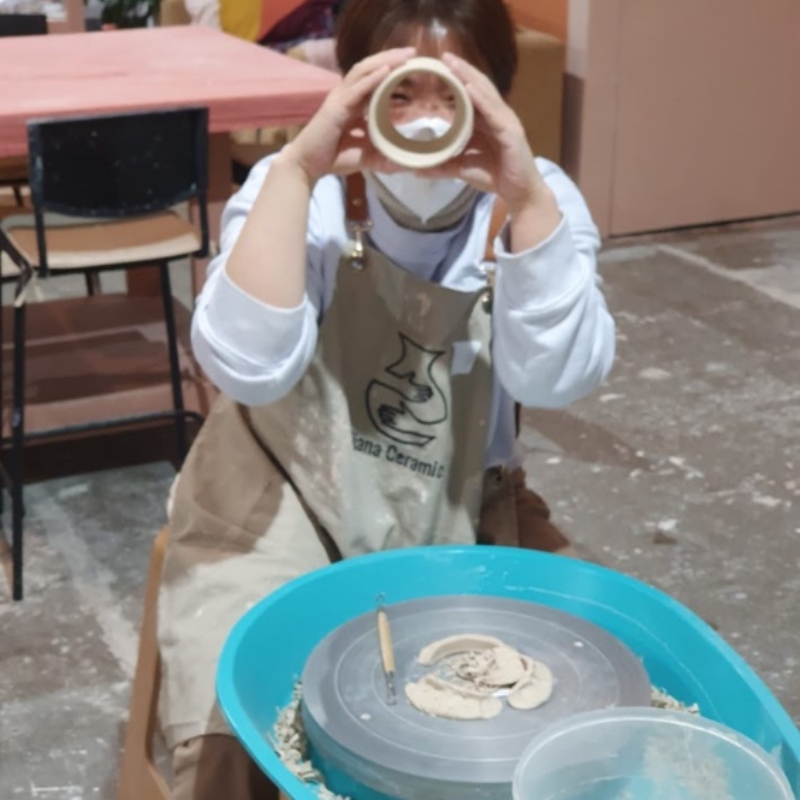
If you have ever lost track of time while moulding a ball of clay, you already know how grounding the wheel can be. Melbourne’s creative community has embraced pottery as a way to unwind after work, make new friends and reconnect with tactile craft. Whether you’re curious about enrolling in a weekly studio class or booking a relaxing afternoon session, a wheel throwing workshop for beginners can do more than teach you to centre clay – it can help you recentre yourself. Below we unpack seven research-backed benefits of wheel throwing for mental and emotional wellbeing, along with practical tips to maximise the feel-good factor each time you sit at the wheel.
1. Built-In Mindfulness: Focusing on the Present Through Touch
Mindfulness is simply the practice of noticing what is happening right now without judgement. The wheel demands that kind of attention. From feeling the clay’s subtle resistance to watching your hands guide each rise and curve, every moment provides sensory feedback that pulls the mind out of tomorrow’s to-do list and into the present.
Why it matters
• People who practise mindfulness regularly report lower perceived stress and improved emotional regulation.
• Unlike seated meditation, wheel throwing offers a kinesthetic entry point for those who find it hard to sit still.
Practical tip
Before switching on the wheel, pause for a single deep breath and notice the coolness of the clay. Each time your mind starts planning dinner, gently redirect your focus to the pressure under your fingertips.
2. Flow State and Stress Reduction
Psychologist Mihaly Csikszentmihalyi coined the term “flow” to describe the feeling of total immersion in a task. The rhythmic spin of the wheel, the repetitive centring motion and the quick feedback from subtle hand shifts make wheel throwing a textbook flow activity.
Local insight
After a long day navigating city traffic on the Monash Freeway, many Melburnians find the studio’s steady wheel hum a welcome contrast. With CBD stress still fresh in mind, it often takes only a few minutes for shoulders to drop and breathing to slow.
How Wheel Throwing Compares With Other After-Work Relaxation Options
Activity Level of Active Engagement Typical Setup Time Reported Stress-Relief Quality
Physical Activity: Low
Time to Unwind: Less than 1 minute
Stress Relief Potential: Medium – the mind can still wander to worries.
Guided Meditation
Physical Activity: App-based, minimal movement
Time to Unwind: Around 2 minutes
Stress Relief Potential: High once familiar, though beginners may find it difficult to settle.
Jogging
Physical Activity: High aerobic activity
Time to Unwind: Around 5 minutes
Stress Relief Potential: Well-known for reducing stress, but not everyone enjoys the physical impact.
Wheel Throwing
Physical Activity: Hands-on, sensory activity
Time to Unwind: Around 5–10 minutes
Stress Relief Potential: High – many people reach a calming flow state quickly.
Casual Scrolling on Phone
Physical Activity: Low
Time to Unwind: None
Stress Relief Potential: Low – can sometimes increase anxiety rather than reduce it.
3. Sensory Feedback and Emotional Regulation
Wet clay engages multiple senses at once. Studies published by the Australian Psychological Society note that multisensory activities can help calm the limbic system, reducing the emotional “fight or flight” response. The steady wheel acts almost like a visual metronome, giving the nervous system a predictable rhythm.
Practical tip
Keep a small towel handy. Patting moisture away between pulls not only improves grip; the simple repetitive gesture can work like a stress ball, releasing pent-up tension from the hands.
4. Community Connection in a Studio Setting
Loneliness has been classified by the Australian Government as a growing public-health issue. Pottery studios offer informal social contact without the pressure of traditional networking events. Shared wheels, reclaimed clay buckets and group kiln unloads naturally spark conversation.
Melbourne example
Neighbourhood hubs in Northcote and Brunswick often run Friday-night “wine and wheel” sessions where strangers quickly bond over wobbly first attempts. These casual gatherings help newcomers build social ties that go beyond quick café chats.
If you would like a deeper dive into the social and psychological upsides of pottery, our article on the benefits of handmade ceramics looks at confidence, creativity and community in more detail.
5. Building Confidence Through Visible Progress
Pottery delivers tangible milestones – your first successfully centred mound, your first bowl that survives trimming, your first glaze test that turns out exactly as planned. Seeing physical evidence of improvement can be a powerful antidote to the self-doubt many beginners carry into creative pursuits.
What to look for
• More symmetrical walls after each practice session
• Fewer accidental collapses during pulls
• Controlled thickness, especially at the base
Mistakes to avoid
• Comparing your early pieces to professional Instagram feeds
• Rushing through trimming – a wonky base can undermine an otherwise perfect form
• Keeping every single pot – recycling clay that went wrong frees you to experiment fearlessly
6. Reframing “Failure” as Play
Because clay is reusable until fired, the wheel encourages experimentation. When a wall buckles, you can simply wire-cut the lump, wedge it and start again. This low-stakes environment trains the brain to view mistakes as data rather than disasters.
Questions to ask yourself before scrapping a piece
- What exactly caused the collapse – speed, water, hand position?
- Could the form be reshaped into a different vessel?
- What did the clay teach me about timing or pressure?
Transforming an unintended slump into a sculptural planter can be strangely liberating and keeps perfectionism at bay.
7. Linking Craft to Broader Wellbeing Goals
Pottery won’t replace professional mental-health support when you need it, but it can complement other healthy habits. According to the Australian Department of Health’s guidelines on mental health and wellbeing, combining social connection, physical engagement and creative expression is associated with improved mood and resilience. Wheel throwing ticks all three boxes.
Signs the Hobby Is Helping
• You look forward to studio time, even on busy weeks
• You notice calmer breathing or a lighter mood during and after sessions
• You start applying the “slow and steady” mindset from pottery to work or study tasks
When to Seek Extra Support
• If low mood or anxiety persists outside the studio
• If creative frustration becomes overwhelming rather than motivating
• If you feel disconnected despite participating in group classes
A qualified mental-health professional can help you integrate pottery into a broader wellbeing plan if needed.
Choosing the Right Melbourne Studio for a Mindful Experience
Not every studio environment feels the same. When your goal is relaxation, consider:
• Class size – fewer students per wheel mean less pressure and more personalised guidance
• Noise level – some hobbyists love upbeat music, while others prefer a quieter room
• Session length – 2-hour beginner workshops provide enough time to enter flow without fatigue
• Instructor approach – look for teachers who emphasise process over perfect outcomes
Questions that help you understand the studio’s philosophy
- How do you handle beginner nerves in the first 15 minutes?
- Do classes include a short demonstration or jump straight onto the wheel?
- Is there time for reflection or discussion at the end?
A quick phone call or studio visit can reveal whether the atmosphere aligns with your mindfulness goals.
Common Misconceptions That Can Disrupt Mindful Practice
Misconception: "I need strong arms to centre clay."
Reality: Technique matters more than muscle.
Mindful Reframe: Focus on gradual pressure and steady breathing instead of relying on force.
Misconception: "Every pot must be functional."
Reality: Decorative and practice pieces are just as valuable.
Mindful Reframe: Appreciate the learning process rather than judging each piece by its usefulness.
Misconception: "Mistakes mean I lack talent."
Reality: Every potter makes mistakes, regardless of experience.
Mindful Reframe: Treat each wobble as an opportunity to improve timing, water control, and patience.
Recognising these myths early prevents unnecessary self-criticism and keeps the hobby enjoyable.
FAQs
1. How long does it take to feel comfortable at the wheel?
Most Melbourne beginners report a noticeable confidence boost after three to five sessions, provided those sessions are spaced close enough together to retain muscle memory. Patience is key – celebrate small improvements like better centring before worrying about complex shapes.
2. Can wheel throwing help with anxiety?
While clay work is not a medical treatment, the sensory focus and rhythmic motion often provide temporary relief from racing thoughts. Many participants find the process complements other anxiety-management strategies such as exercise or talk therapy.
3. What should I wear to a mindful pottery class?
Comfortable clothing you don’t mind splashing with clay slurry is ideal. Closed-toe shoes keep your feet protected when the floor gets slippery, and an apron minimises distraction about stains so you can stay present.
4. Do I need my own tools to get started?
Most beginner workshops include use of studio wheels, bats and basic trimming tools. Once you decide to practise regularly, purchasing a personal sponge, rib and favourite trimming tool can deepen the sense of ritual without a large upfront cost.
5. Is there an age limit for enjoying the mental-health perks of pottery?
Not at all. Studios across Melbourne host classes for kids, adults and retirees alike. The benefits of focused creativity apply regardless of age, though class structures may vary to suit attention span and physical comfort.
Final Thoughts
Wheel throwing offers a rare blend of tactile play, mindful focus and community connection that many Melburnians crave in their busy lives. Whether you want to decompress after the 9-to-5 grind or channel your creativity into a new craft, a single rotation of wet clay beneath your hands can shift your entire state of mind. If your early pots wobble, let them – the learning journey is where most of the calm and joy live. Should you ever feel stuck or curious about refining technique, stepping into a supportive studio space can help keep those wheels – literal and metaphorical – turning smoothly.