Can Creating Handmade Ceramics Improve Mindfulness and Artistic Confidence?
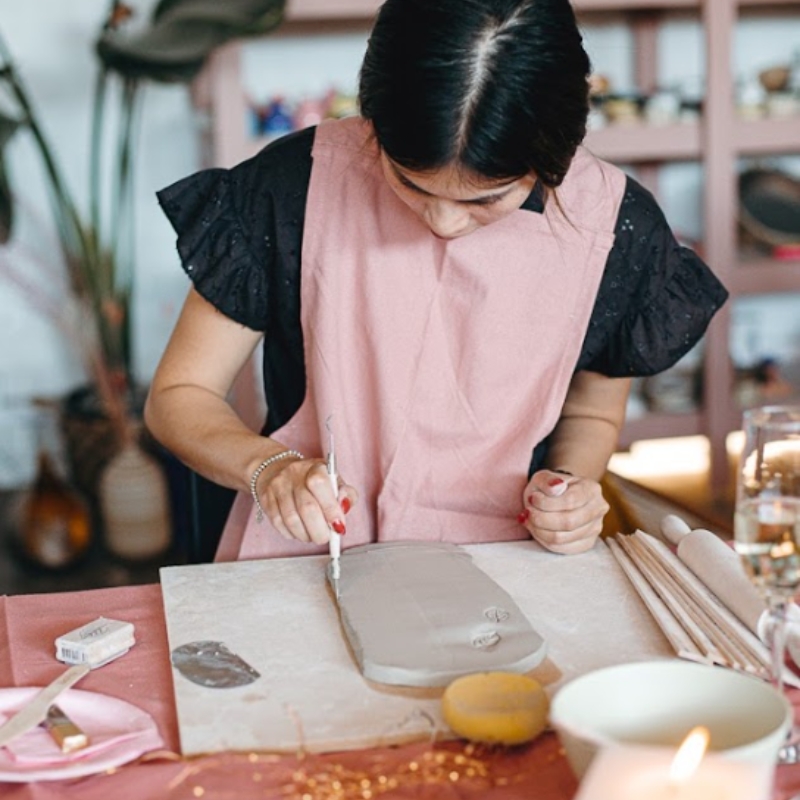
Ever noticed how time seems to melt away the moment you sink your hands into a slab of clay? That calm, almost meditative focus is one of the biggest reasons people book hands-on clay workshops in Melbourne. Beyond a fun hobby, ceramic making offers a gentle path to mindfulness and a powerful boost to artistic self-confidence. In this deep dive, we’ll explore why shaping, trimming and glazing pottery can settle a busy mind, how it rewires the inner critic, and simple ways to cultivate these benefits whether you’re a total beginner or a weekend wheel addict.
1. Why Clay Work Naturally Encourages Mindfulness
Working clay happens at the pace of the material, not the clock on your phone. Each step—wedging, centring, pulling walls—demands just enough attention to block out mental noise, yet remains repetitive enough to feel soothing. Psychologists call this the “flow state,” where effort and skill align so well that outside worries fade into the background.
The Sensory Anchors of Pottery
• Tactile feedback: cool, damp clay grounds the body’s senses
• Rhythmic movement: the wheel’s rotation or hand-building coils create steady, almost hypnotic patterns
• Subtle sounds: the whir of the wheel or soft scrape of a wooden rib keeps the mind tethered to the present moment
Local Insight: Melbourne’s Urban Calm
Many CBD and inner-north residents report they can switch off their “always-on” work brain the moment they walk into a studio. The contrast between traffic noise on Elizabeth Street and the hushed spin of a pottery wheel inside a Collingwood workshop makes the mindful effect even more noticeable.
2. The Science Linking Craft and Mental Wellbeing
Research into craft-based therapies shows measurable drops in cortisol (the stress hormone) and improvements in mood after just 45 minutes of creative activity. A 2023 Australian study of adult learners found that tactile crafts triggered similar neural pathways to guided meditation. Organisations such as Beyond Blue’s mindfulness resources note that repetitive, sensory-rich tasks help train attention and reduce rumination—two pillars of mindfulness practice.
Neuroplasticity in Action
• Focused repetition strengthens the brain’s prefrontal cortex (attention control)
• Sensory engagement reduces activity in the default mode network (mind-wandering)
• Mastery milestones release dopamine, reinforcing calm-focus loops
3. From Self-Doubt to Self-Belief: How Clay Builds Artistic Confidence
Pottery offers visible, touchable proof of progress. Even wobbly first attempts dry into something you can hold, glaze and fire. That tangible evidence counters the internal voice that says, “I’m not creative.”
Stage of Pottery Journey: Opening bag of clay
- Common Self-Talk: “What if I mess it up?”
- Confidence-Building Reality: Clay can be recycled, mistakes are low-risk
- Simple Next Step: Wedge off 500 g and set the rest aside
Stage of Pottery Journey: First pull on the wheel
- Common Self-Talk: “I can’t centre properly”
- Confidence-Building Reality: Every potter struggles at first
- Simple Next Step: Use a bat and practise centring cones for 10 minutes
Stage of Pottery Journey: Trimming leather-hard form
- Common Self-Talk: “It looks uneven”
- Confidence-Building Reality: Refinement is part of the process
- Simple Next Step: Check rim thickness with callipers, trim slowly
Stage of Pottery Journey: First glaze firing
- Common Self-Talk: “Colours might run”
- Confidence-Building Reality: Outcomes vary for everyone—even pros
- Simple Next Step: Test glaze on a spare tile first
A small “win” at each stage chips away at perfectionism and nurtures artistic confidence.
4. Mindful Pottery Exercises You Can Try Today
You don’t need an instructor beside you to weave mindfulness into clay play. Here are four quick exercises you can try during studio time or at home with air-dry clay.
4.1 Breath-Clay Sync
Before you start, rest both hands on the clay. Inhale for four counts, feel its coolness, exhale for six. Repeat five times. Notice any tension soften in your shoulders.
4.2 Five-Sense Check-In
While hand-building, pause and name:
- One colour you see in the clay or tools
- One texture you feel aside from the clay (perhaps the table surface)
- One studio scent (often damp earth)
- One sound (wheel hum, sponge squeeze)
- One taste (sip of water, coffee notes)
This anchors the mind to the present environment.
4.3 Slow Pull Challenge
On the wheel, intentionally slow your final pull to half speed. Concentrate on fingertip pressure and wheel rhythm. If thoughts drift, gently return focus to the clay’s movement.
4.4 Gratitude Glaze
When applying glaze, mentally thank the pot for teaching you something—patience, persistence, or joy. This simple act reframes setbacks as lessons, fuelling confidence.
5. What If Mindfulness Slips? Common Distractions and Gentle Fixes
Even seasoned potters lose focus. Phones buzz, slip-ups happen, kiln gods misbehave. Here’s how to notice and reset without spiralling into frustration.
Phone notification
- Typical Reaction: Grab phone, scroll
- Mindful Re-Frame: “One alert won’t improve my pot”
- Quick Reset Action: Switch to airplane mode for 30 minutes
Off-centre lump
- Typical Reaction: Inner critic flares
- Mindful Re-Frame: “This is feedback, not failure”
- Quick Reset Action: Wire-cut, re-wedge, start again
Studio chatter
- Typical Reaction: Mind drifts
- Mindful Re-Frame: “I can return to my breath”
- Quick Reset Action: Use ear-buds or move to a quieter wheel
Glaze drip mishap
- Typical Reaction: Panic about final result
- Mindful Re-Frame: “Imperfection adds character”
- Quick Reset Action: Dab excess, remember wabi-sabi philosophy
A brief moment of awareness is usually all it takes to guide your attention back to the clay.
6. How Melbourne’s Pottery Community Supports Mindful Practice
From Brunswick to St Kilda, many studios now run “quiet wheel” sessions with soft music and dimmed lights, ideal for mindful throwing. Others offer clay and yoga combos on Sunday mornings. Feedback from local potters highlights three community perks:
- Shared silence: everyone is “in the zone,” making it easier to stay centred.
- Peer encouragement: seeing others’ imperfect first tries normalises your own learning curve.
- Structured reflection: some workshops finish with a 5-minute group share on hurdles and wins, reinforcing confidence gains.
If you’re new to ceramics and wonder how a session flows, our post on what to expect from your first pottery session breaks down timing, tools and firing logistics.
7. Safety and Comfort: Setting Up a Mindful Home Clay Corner
Mindfulness thrives when the body feels safe and at ease. Whether you own a small Shimpo wheel or stick to hand-building on the kitchen table, consider:
7.1 Ergonomics First
• Seat height: thighs parallel to the floor
• Lumbar support: add a small cushion at the base of your spine
• Tool reach: keep sponges, ribs and water within arm’s length to avoid twisting
7.2 Sensory Space Cues
• Lighting: soft daylight bulbs reduce eye strain
• Sound: low-volume instrumental playlist or simple silence
• Scent: neutral; avoid strong candles that clash with clay’s earthy aroma
7.3 Clean-Up Routine
Mindfulness extends to closing rituals. Slow sweeping, gently washing tools and wiping the wheel platter becomes another grounding activity, sealing the creative session.
8. Questions to Guide Your Ongoing Clay Practice
As you progress, ask yourself:
- Did I notice breath changes while throwing today?
- Which step felt the most calming, and why?
- What small skill improved since last week?
- How did I respond to a mistake—judgement or curiosity?
- What intention will I set for my next session?
Writing brief answers in a studio notebook turns a casual hobby into a mindful practice that compounds over time.
FAQs
1. Can pottery replace formal meditation?
Pottery can produce similar calming effects, but it doesn’t necessarily build the same mental discipline as seated meditation. Think of it as an accessible gateway. Many find that combining both crafts a stronger overall mindfulness routine.
2. I’m not “artistic.” Will the wheel still help my confidence?
Absolutely. Confidence grows from incremental improvement, not innate talent. Even simple pinch pots offer visible progress that counters self-doubt.
3. How long before I notice mindfulness benefits?
Some feel relaxed after a single two-hour class. Consistency matters more than duration—aim for one short session per week to reinforce the habit.
4. Does mindfulness improve pottery technique, too?
Yes. Focused attention reduces common errors like uneven walls or glazing drips because you’re fully present during critical moments.
5. Are there any risks to be aware of?
Standard studio safety applies: avoid clay dust by wiping surfaces, keep long hair tied back near wheels, and follow kiln guidelines. If you have wrist issues, take breaks and stretch fingers frequently.
Final Thoughts
Clay has a unique way of inviting the mind to quieten and the inner critic to soften. By tuning into texture, rhythm and breath, you can transform each step—wedging, centring, glazing—into a small act of mindfulness. Over time, those acts accumulate into genuine artistic confidence. If you catch yourself craving that centred feeling or wanting proof that your creativity can flourish, the next handful of clay is waiting. Try one of the exercises above, stay curious, and see where the wheel spins.