Why Are Pottery Classes Becoming a Popular Creative Hobby for Kids?
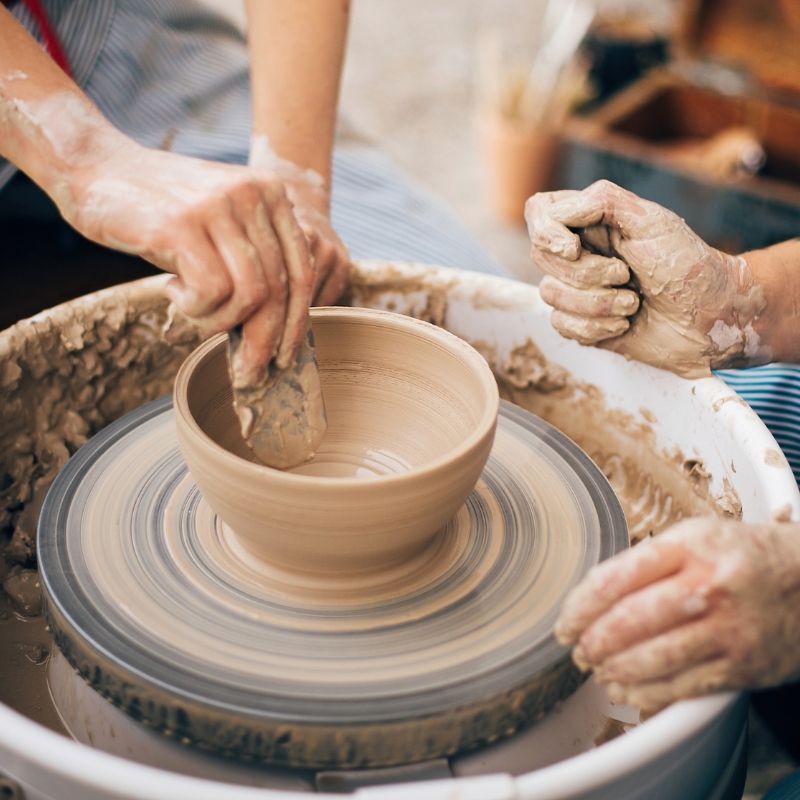
Bright glazes, whirring wheels and the satisfying squelch of clay are quickly replacing screen time for many Melbourne families. In the last two years, enrolments in children’s ceramic programs across Victoria have climbed steadily as parents search for hobbies that combine creativity, mindfulness and hands-on learning. If you are wondering whether children’s pottery classes in Melbourne are worth a spot in the weekly schedule, this guide unpacks the science, the social perks and the practicalities behind the trend.
A Hands-On Break From Screens: Tactile Learning in a Digital Age
Children now spend an average of four to five hours a day in front of tablets, phones or televisions, mostly for passive entertainment. Pottery turns that passive time into active exploration. The material itself demands touch, pressure and patience. Kids press, roll, carve and shape, constantly adjusting their grip based on feedback from the clay.
Why it matters:
- Tactile feedback strengthens sensory processing.
- Eye-hand coordination improves when children match visual intention with physical action.
- Screen fatigue is reduced because the eyes focus on real-world depth, not backlit pixels.
In many Melbourne primary schools, teachers report that students who engage in regular tactile arts settle more quickly for written tasks and show greater persistence when projects get tricky. A mid-2023 survey by Art Education Victoria echoed these observations: 71 per cent of teachers noticed improved focus in students who took part in after-school ceramic programs.
Developing Fine Motor Skills and Hand Strength
Wheel throwing and hand-building look like play, yet both activities involve controlled micro-movements that strengthen small muscles in the fingers, wrists and forearms. Occupational therapists often recommend clay work as part of fine-motor therapy plans.
Practical examples you can try at home before class:
- Pinch pots with air-dry clay.
- Rolling tiny “snakes” then coiling them into spirals.
- Using a blunt skewer to carve initials or patterns.
Within a few weeks of weekly studio sessions, children usually show neater handwriting, stronger pencil grip and greater confidence in scissors work. These transferable skills are one reason pottery is championed by educators who want to blend art with daily classroom readiness.
Boosting Confidence Through Visible Progress
Unlike some hobbies where progress feels abstract, pottery gives fast, tangible milestones: a bowl survives the kiln, a mug’s handle stays firm, a brightly glazed tile comes home in a backpack. Each success reinforces effort and shows children that patience and problem-solving lead to real results.
Parents who keep a photo journal of their child’s early pieces often notice a visible arc: lumpy pinch pots in week one, symmetrical wheel-thrown cups by term’s end. Seeing growth in their own hands helps children internalise a growth mindset, a key factor in resilience and lifelong learning.
Social and Emotional Benefits in a Studio Setting
Clay has a remarkable ability to level social gaps. In a pottery studio, competitive hierarchies fade because everyone’s hands are equally muddy. Instructors often notice that even shy children speak up to share glazing tips or celebrate another student’s finished piece.
Emotional perks include:
- Mindfulness: repetitive wheel rhythms, slow breathing and calm, busy minds.
- Emotional vocabulary: children learn to describe textures, colours and feelings about success or failure.
- Empathy: group critiques teach constructive feedback and support when a piece cracks or warps.
Alignment With STEAM Education Goals
Australia’s national curriculum actively promotes STEAM (science, technology, engineering, arts and maths) integration. Pottery sits right at the intersection:
- Science: heat change in kilns, clay plasticity, glaze chemistry.
- Technology: electric wheels, digital scales for glaze mixing.
- Engineering: structural integrity of handles, walls and joins.
- Art: design, colour theory and creative expression.
- Maths: measuring wall thickness, calculating shrinkage rates.
The Victorian Department of Education notes that arts subjects improve problem-solving skills central to STEM success. Pottery, therefore, becomes more than an extracurricular—it is an applied extension of classroom learning.
Comparison: Pottery vs Other After-School Hobbies
Parents often weigh several activities before committing to term fees. The table below summarises common factors:
Pottery
- Hands-On Creativity: High, every project is unique
- Physical Demand: Moderate hand and core strength
- Average Mess Level: Medium (washable clay)
- Skill Progress Visibility: Very visible after each firing
- Screen-Free: Yes
Coding Club
- Hands-On Creativity: Conceptual, digital builds
- Physical Demand: Low physical activity
- Average Mess Level: Low
- Skill Progress Visibility: Visible when programs run
- Screen-Free: Partial (uses computers)
Dance Class
- Hands-On Creativity: Choreography and costume creativity
- Physical Demand: High cardio and flexibility
- Average Mess Level: Low
- Skill Progress Visibility: Visible during recitals
- Screen-Free: Yes
Team Sports
- Hands-On Creativity: Strategy and teamwork creativity
- Physical Demand: High cardio and strength
- Average Mess Level: Low
- Skill Progress Visibility: Visible in game stats
- Screen-Free: Yes
Music Lessons
- Hands-On Creativity: Creative interpretation
- Physical Demand: Low–Moderate finger dexterity
- Average Mess Level: Very low
- Skill Progress Visibility: Visible in recital pieces
Pottery offers a rare mix of creativity and moderate physical engagement while keeping kids firmly off screens.
Parent Friendly Logistics: Safety, Mess and Timing
- Safety: Reputable studios use non-toxic, lead-free glazes and maintain clear kilning areas that children cannot enter. At Diana Ceramic, instructors are Working With Children Check compliant and brief each child on wheel safety.
- Mess: Clay washes out of clothes under 40-degree cycles. Provide an old T-shirt or apron and a plastic tub for transporting drying work.
- Timing: Most children’s classes run 60 to 90 minutes, ideal for after-school energy levels without causing bedtime delays.
Tip: Bring a reusable hand towel for easy cleanup, saving disposable paper.
Common Misconceptions Parents Have About Kids’ Pottery Classes
- “Pottery is only for artistic kids.” In truth, many maths-loving or sport-centric children thrive because pottery appeals to logic and hands-on problem-solving.
- “The wheel is too hard for under-10s.” Smaller wheels with adjustable speeds allow even 7-year-olds to centre clay with guided hand-over-hand teaching.
- “Finished pieces will break at home.” Stoneware fired to 1,200 °C is dishwasher and microwave-safe, as durable as commercial mugs.
Addressing these myths upfront helps parents feel at ease and lets kids explore without self-doubt.
Simple Checklist: Is Your Child Ready to Start Working With Clay?
Use the list below to gauge readiness:
- Can your child follow three-step instructions (e.g. centre, open, pull)?
- Do they manage basic hygiene like washing hands independently?
- Can they sit focused for 10–15 minutes at a task?
- Do they understand “gentle hands” when handling fragile greenware pieces?
- Are they interested in building things—LEGO, Play-Doh or sandcastles?
If you tick at least three of the above, they will likely thrive. For more context, read our detailed guide on what to expect at your first pottery session so both you and your child arrive confident.
Mistakes To Avoid When Introducing Your Child to Pottery
- Over-helping. Let them make small errors—they will learn how much water is too much only by feeling the clay collapse once.
- Rushing the drying process at home with heaters or hairdryers. Rapid drying causes cracks.
- Skipping the cleanup talk. Show them how to sponge wheels and wipe benches so studio etiquette sticks early.
Being aware of these pitfalls keeps the experience positive for everyone in class.
Next Steps: How to Nurture Their Newfound Passion
- Display finished pieces somewhere visible to keep motivation high.
- Encourage journal sketches of future projects; this bridges the gap between imagination and practical planning.
- Visit local galleries like the Australian Centre for Contemporary Art to connect studio projects with professional ceramics.
- If enthusiasm continues after a term, consider investing in a basic tool kit so your child can practise textures and carving at home using air-dry clay.
Frequently Asked Questions
1. What is the best age to start pottery classes?
Most Melbourne studios accept children from six or seven years old. The key indicators are attention span, ability to follow safety instructions and basic hand strength. Some five-year-olds cope perfectly well with pinch pots and simple slab work, but wheels usually suit the 7-plus bracket.
2. How messy do classes get, and what should my child wear?
Expect clay smudges on elbows and knees. A long-line T-shirt or old button-up shirt works well as a smock. Closed-toe shoes are mandatory in most studios to protect feet from falling tools or clay lumps.
3. Are the glazes safe for food and drink?
Reputable studios use commercial, lead-free, food-safe glazes. Once pieces are fired to full stoneware temperatures, they are as safe as shop-bought tableware. Always check with the instructor if you plan to microwave or dishwasher a child’s piece.
4. How long does it take to bring home a finished item?
Typically two to three weeks. Pieces must air-dry slowly, then go through a bisque firing, glazing session and final glaze firing. Studios batch items to fill kilns efficiently, so timing may vary.
5. What if my child has limited hand strength or dexterity issues?
Start with softer clay and hand-building projects like coils or slabs. Many occupational therapists incorporate clay for this very reason. Instructors can adapt wheel speeds and provide additional wrist support where needed.
Final Thoughts
Pottery ticks a rare mix of boxes for Melbourne families: it is screen-free, scientifically backed for fine-motor and emotional development, messy in all the right ways and brimming with visible wins that boost confidence. Whether your child dreams of sculpting dragons, throwing café-style cups or simply wants a fun after-school activity, a term at the wheel might be the creative spark that shapes more than just clay.
If you notice their curiosity growing, consider booking a trial session to see the mud magic in person. Watching a lump of earth spin into a keepsake cup often captivates youngsters—and parents—far beyond the first class.