What to Expect When Trying Pottery for the First Time in Melbourne
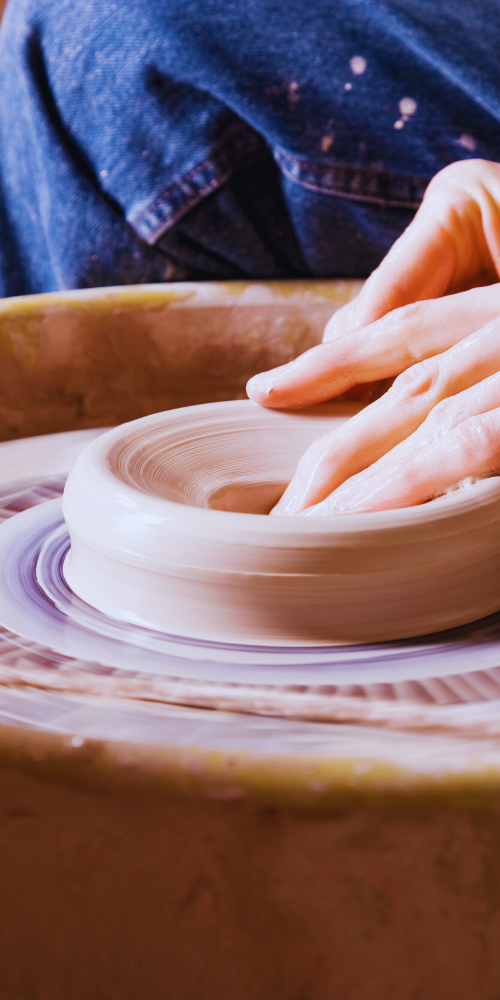
Trying pottery for the first time can feel equal parts exciting and intimidating. You might picture spinning wheels, muddy hands, shelves of half-finished bowls and a kiln glowing somewhere in the background. But what actually happens when you walk into a Melbourne pottery studio as a complete beginner?
Whether you’re exploring a creative hobby, planning something different for your weekend, or simply curious about working with clay, this guide walks you through what to expect — step by step — so you can feel prepared and confident before you begin.
Why So ManyPeople in Melbourne Are Trying Pottery
Melbourne has long been known for its strong arts culture. From independent galleries in Fitzroy to creative hubs in Brunswick and Collingwood, the city embraces hands-on creative expression.
There’s also growing recognition of the mental health benefits of creative activities. According to Creative Victoria, participation in arts and cultural experiences contributes meaningfully to wellbeing, connection and community engagement across Victoria.
Pottery fits perfectly into that space. It’s tactile, immersive and requires focus — which means you’re fully present in the moment. For many beginners, that alone is reason enough to try it.
For those who discover they enjoy the experience and want more structured progression, many locals eventually explore dedicated pottery workshops in Melbourne to build their confidence and technique in a supportive environment.
Walking Into the Studio: First Impressions
Your first impression of a pottery studio is often surprisingly calming.
You’ll usually notice:
• Shelves lined with finished and drying pieces
• Worktables lightly dusted with clay
• Pottery wheels positioned around the room
• Buckets of water and sponges nearby
• A faint earthy scent from raw clay
Studios across Melbourne vary in style — some are industrial warehouse spaces in the inner north, others are intimate creative studios in suburban neighbourhoods. Regardless of setting, most are welcoming and beginner-friendly.
It’s completely normal to feel nervous at first. Many first-timers worry they’ll “ruin” the clay or slow everyone else down. In reality, beginners are expected to wobble, reshape and start again. That’s part of learning.
What Actually Happens During Your First Session
One of the biggest unknowns for beginners is how the session unfolds. Here’s a realistic overview.
1. Getting Oriented
You’ll usually begin with a brief introduction:
• Studio layout and safety basics
• Tools you’ll use
• A demonstration of the technique
You may learn how to wedge clay (kneading to remove air bubbles) and prepare your workspace.
2. Choosing a Technique
Most first-time sessions introduce either:
• Wheel throwing — shaping clay on a spinning wheel
• Hand building — shaping clay using hands and simple tools
Wheel throwing is what many people imagine when they think of pottery. Hand building, however, is often more forgiving for complete beginners and allows creative freedom without the coordination required by the wheel.
3. The First Attempt
Your first attempt will probably not look symmetrical.
The clay may:
• Collapse inward
• Lean to one side
• Develop uneven walls
This is entirely normal. Pottery is physical and requires coordination between your hands, water control and pressure. Improvement often happens quickly once you understand how clay responds to touch.
Q: Is pottery hard for beginners?
It can feel challenging at first, especially when learning to centre clay on a wheel. However, most people create a simple, functional form in their first session. The goal is familiarity — not perfection.
What Should You Wear to a Pottery Studio?
Pottery is messy — but in a controlled way.
Wear:
• Comfortable clothing you don’t mind getting clay on
• Closed-toe shoes
• Short sleeves or sleeves you can roll up
• Hair tied back
Clay washes out easily, and most studios provide aprons. You’ll get clay on your hands and forearms, but you won’t leave covered head to toe.
The Full Clay-to-Kiln Journey (What Surprises Most Beginners)
One of the most common misconceptions is that you take your piece home straight away. In reality, pottery involves multiple stages.
Stage 1: Forming
You shape your piece during your session.
Stage 2: Slow Drying
Clay must dry gradually to prevent cracking. Melbourne’s changing humidity levels mean studios carefully monitor drying conditions.
Stage 3: Bisque Firing
Your piece is fired in a kiln, turning it from fragile clay into hardened ceramic.
Stage 4: Glazing
A glaze is applied for colour and waterproofing.
Stage 5: Final Firing
The piece is fired again to fuse the glaze permanently.
This process can take several weeks, depending on kiln schedules.
Q: How long does it take to get your finished piece?
Typically between two and four weeks. Kiln cycles and glazing timelines vary between studios.
The Emotional Experience of Working With Clay
Working with clay is grounding in a way many people don’t expect.
Beginners often describe:
• A sense of calm focus
• Reduced mental chatter
• Deep concentration
• Satisfaction in shaping something tangible
In a fast-paced city like Melbourne, where daily life is often screen-heavy and schedule-driven, this kind of tactile experience can feel refreshing.
For those who want to explore that feeling more consistently, structured beginner pottery experiences can provide ongoing opportunities to develop skills while maintaining that mindful rhythm.
Common First-Time Mistakes (And Why They’re Normal)
Understanding these ahead of time helps manage expectations.
• Using too much water on the wheel
• Pressing too hard and collapsing walls
• Rushing the process
• Comparing your work to others
Clay responds to subtle pressure changes. Developing that sensitivity takes time.
Q: What if my piece cracks?
Cracking can happen during drying or firing. Clay is a natural material, and minor unpredictability is part of the craft.
Studio Etiquette: How to Feel Comfortable and Confident
Knowing a few unwritten rules helps ease nerves:
• Clean your workspace after use
• Avoid touching others’ drying pieces
• Follow instructor guidance around equipment
• Ask questions — it’s expected
Studios are collaborative environments. Respecting shared space contributes to a relaxed and enjoyable experience.
What You’ll Likely Create as a Beginner
Most first-timers produce:
• A small bowl
• A simple cup
• A cylindrical vessel
Even achieving symmetry in a small bowl during your first attempt is a genuine accomplishment.
As your confidence builds, many people naturally want access to more time, tools and guidance. Participating in ongoing hands-on ceramic sessions allows you to refine technique and experiment with new forms.
Managing Expectations: Progress Takes Repetition
Your first attempt may not resemble something you’d see in a design store. That’s okay.
Pottery rewards:
• Patience
• Repetition
• Careful observation
• Light, controlled pressure
Many beginners notice visible improvement within just a few sessions.
Q: How long does it take to get good at pottery?
You can make functional pieces within a handful of sessions. Refinement and consistency develop over months of regular practice.
Is Pottery Physically Demanding?
There is some physical effort involved, especially when centring clay on a wheel. However, it’s generally manageable for most people.
If you have wrist or shoulder concerns, hand building can be a gentler alternative.
Why Trying Pottery Once Often Leads to More
Many Melburnians try pottery out of curiosity — perhaps as a weekend activity or something different from the usual café meet-up.
What surprises them is how satisfying it feels to:
• Shape something from scratch
• Watch it transform through firing
• Hold a finished piece they created themselves
That tangible result is powerful.
For those who decide they want to go further, exploring structured learning through local pottery workshops in Melbourne can provide clear progression while maintaining the relaxed, creative atmosphere that drew them in initially.
Final Thoughts: Should You Try It?
If you’re curious, the honest answer is yes.
Trying pottery for the first time in Melbourne isn’t about becoming an expert overnight. It’s about:
• Experimenting with creativity
• Slowing down
• Engaging with a tactile craft
• Stepping outside your routine
Even if you only try it once, the experience of shaping clay with your own hands leaves a lasting impression.
FAQ: First-Time Pottery in Melbourne
Do I need prior experience?
No. Most first-time participants are complete beginners.
What should I bring?
Comfortable clothing is enough. Tools and materials are typically provided.
Can I keep what I make?
Yes, once it’s glazed and fired, you can collect your finished piece.
Is pottery suitable for groups?
Yes. It’s popular for birthdays, team activities and social gatherings.
Will I be the only beginner?
Very unlikely. Most sessions include multiple newcomers.