Rainy-Day Activities in Melbourne: Why Pottery Is the Perfect Indoor Escape for Adults
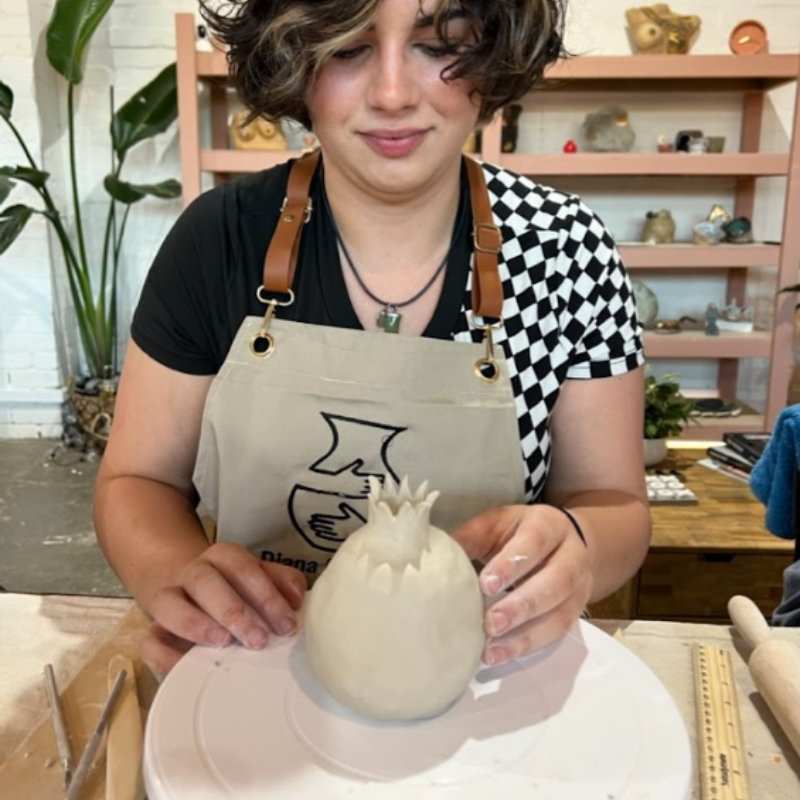
Melbourne is famous for its four seasons in one day, but when the clouds decide to settle in, many of us are left scrolling for indoor inspiration. Art galleries are lovely, cafés are welcoming, and home movie marathons have their place, yet nothing quite beats a creative outlet that also lets you leave with something you made yourself. That is where pottery workshops in Melbourne step in. Under shelter from the drizzle, you can sink your hands into clay, spin the wheel, chat with fellow makers and head home with a mug, planter or trinket bowl that will always remind you of that rainy afternoon.
Below, we unpack why pottery ticks so many boxes when the weather turns, how it compares with other popular wet-weather options and what to know before booking your first class.
1. Melbourne Weather Reality: Why We All Need a Go-To Rain Plan
Melbourne averages over 140 rainy days each year, and according to the Bureau of Meteorology, unexpected showers can roll in any month. If you rely on outdoor walks, rooftop bars or backyard catch-ups, those plans quickly wash out. Having a ready list of indoor pursuits means the forecast never ruins your weekend.
Quick Weather Facts
- Peak rainfall months: May to October
- Average annual rainy days: ~149
- Sudden temperature drops of 5–10 °C within an hour are not unusual
Given that volatility, an activity that is entirely climate-controlled, available year-round and flexible enough for solo visitors, dates or groups becomes a lifesaver.
2. What Makes Pottery a Stand-Out Wet-Weather Choice?
Comfort and Warmth
Pottery studios maintain stable indoor temperatures for clay and kilns, so you stay cosy even when the southerly whips outside.
Built-In Mindfulness
The rhythmic spin of the wheel or the slow shaping of slab pieces naturally asks for focus, drawing attention away from grey skies and weekday stress.
Social Without Pressure
Conversation flows easily while your hands are busy. You can chat, share tips and laugh at the occasional flying lump of clay, but silence is equally acceptable.
Tangible Take-Home
Unlike binge-watching a new series, you leave with a physical object you created, sparking a genuine sense of achievement.
3. Pottery vs Other Popular Indoor Activities
When skies open, plenty of indoor options compete for attention. The table below compares common rainy-day picks against pottery on practical factors adults often weigh up.
Pottery class
Creative Outcome: You keep a handmade mug, bowl or art piece.
Social Factor: Conversation flows naturally around wheels and hand-built tables.
Physical Engagement: Gentle arm and core use with mindful hand work.
Mess Level: Clay splatters, but aprons are provided, and sinks are nearby.
Typical Session Length: 2–3 hours.
Escape room
Creative Outcome: No take-home item.
Social Factor: High teamwork and collaboration.
Physical Engagement: Mainly mental challenges with some light movement.
Mess Level: Minimal.
Typical Session Length: 1 hour.
Indoor rock climbing
Creative Outcome: None.
Social Factor: Climb side by side or belay for each other.
Physical Engagement: Full-body workout.
Mess Level: Chalk dust.
Typical Session Length: 1.5–2 hours.
Paint-and-sip session
Creative Outcome: A canvas to take home, often beginner-friendly.
Social Factor: Moderate conversation, often encouraged by the relaxed atmosphere.
Physical Engagement: Seated with light brush movements.
Mess Level: Paint drips.
Typical Session Length: 2 hours.
Cinema visit
Creative Outcome: None.
Social Factor: Limited interaction once the movie begins.
Physical Engagement: Seated throughout.
Mess Level: Occasional popcorn spills.
Typical Session Length: 2–2.5 hours.
Pottery hits the sweet spot of creativity, low-pressure socialising and light physical movement, with the bonus of a keepsake.
4. Wheel Throwing or Hand-Building: Picking the Right Class on a Rainy Day
Both techniques are beginner-friendly, but each brings a different vibe.
Wheel Throwing
- Best for those who love rhythm and are happy to get a little messy
- Projects: cups, bowls, small vases
- Fast learning curve; you’ll usually centre and throw within the first session
Hand-Building
- Ideal if you prefer slower shaping, carving and texturing
- Projects: platters, sculptural pieces, planters
- More relaxed pace, perfect for detailed decoration
For a deep dive into choosing your technique, our blog on whether the pottery wheel is easier than you think walks through pros, cons and first-timer tips.
5. Common Wet-Weather Pottery Missteps (And How to Dodge Them)
- Wearing your favourite outfit
- Clay washes out but some pigments can stain. Opt for comfortable clothes that can handle a splash.
- Booking too late
- Rain forecasts push last-minute demand. Reserve ahead, especially on weekends.
- Skipping the trimming or glazing session
- Most studios split making and finishing across two days. Missing part two leaves pieces rough or unsealed.
- Rushing the drying stage at home
- If you pick up greenware to finish later, avoid heaters. Sudden drying causes cracks.
6. Questions to Ask Before You Book
Heading into any new hobby can feel daunting. These conversation starters help you understand the studio’s approach, not to interrogate staff.
- Do classes run if only a couple of people book, or will they be rescheduled?
- Is clay, firing and glazing included in the fee or charged separately?
- Can I bring a coffee or snack into the workspace on a cold day?
- What happens to unfinished pieces if I can’t make the follow-up session?
- Is there a wheelchair or mobility-friendly wheel access?
Clear answers avoid surprises and let you relax into the creative flow.
7. Beyond the Rain: Long-Term Benefits of Sticking With Clay
Stress Relief All Year
Regular sessions turn into weekly wind-downs, replacing screen time with tactile focus.
Skill Progression
From centring to complex glazing, measurable milestones keep motivation high.
Local Community
Studios often hold exhibitions or markets, giving hobbyists a chance to showcase and sell work.
8. FAQs
1. Does the kiln heat the whole studio like a sauna?
Kilns are usually housed in a separate, ventilated room. The workspace stays warm but not uncomfortably hot, making winter sessions snug rather than sweltering.
2. How messy does pottery really get?
Expect clay splashes on aprons and hands. Floors are cleaned regularly, and washup sinks handle the rest. You won’t walk out looking like a mud wrestler.
3. I only have a weekday off. Do studios offer daytime classes?
Many Melbourne studios run mid-morning or early-afternoon sessions for shift workers, parents and freelancers. Check timetables and book ahead.
4. What if my piece cracks in the kiln?
Occasional hairline cracks happen, especially with thicker walls. Tutors explain how to avoid them, and some studios invite you to remake the item without extra clay costs.
5. Can two friends share one wheel?
Health and safety guidelines usually allocate one person per wheel, but you can book adjacent spots and still chat while creating.
Final Thoughts
Next time skies darken over Melbourne, consider swapping umbrella juggling for a few creative hours indoors, surrounded by spinning wheels, warm mugs of tea and the gentle hum of conversation. If you find the simple joy of shaping clay into something functional or decorative speaks to you, a rainy afternoon could be the start of a lifelong hobby. And should that drizzle become a downpour, you’ll already know exactly where to head for your next indoor escape.