Clay, Kids and Creative Confidence: Why Pottery Is the Perfect After-School Activity
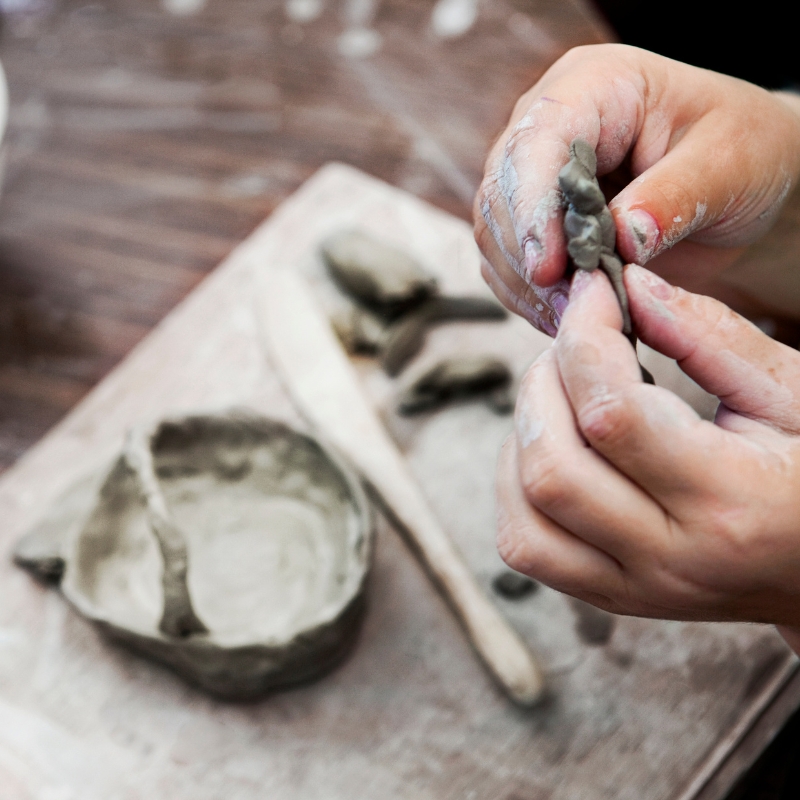
Walking into the tactile world of clay feels a million kilometres away from homework and screen time. The moment a child presses their thumbs into a cool ball of earth, something switches on: curiosity, concentration, and a sense of calm. It’s the same feeling thousands of Victorian families discover when they enrol their children at the Diana Ceramic Studio in Melbourne. But is pottery just a fun mess, or does it genuinely nurture skills that flow into school, sport, and everyday life? Below we dive into seven evidence-based reasons pottery makes an unbeatable after-school activity, plus practical tips for parents looking to get started.
1. Fine Motor Skills: Building Strength One Pinch at a Time
Clay resists, stretches, collapses, and firms up as moisture leaves the surface. Every squeeze, coil, or press forces small hand muscles to work in different ways. Occupational therapists often use clay during therapy because it combines:
• Resistance (for strength)
• Precision (for control)
• Variation (for adaptability)
For primary school students still refining handwriting or scissors skills, working with clay for 45 minutes can be more engaging than repetitive pencil drills. The uneven texture also sends rich sensory feedback to the brain, helping kids map finger movement to pressure—essential for controlled handwriting and instrument playing.
Signs Fine Motor Practice Is Paying Off
• Neater handwriting in homework books
• Fewer complaints about hand fatigue during colouring or piano
• Improved confidence when tying shoelaces or opening lunchbox clips
2. Creativity and Divergent Thinking: Clay Says “What If?”
Unlike colouring books with predefined outlines, clay starts as a blank lump. Children must imagine form, texture, and proportion before making the first mark. According to the Victorian Department of Education’s guidelines on creative learning in schools, open-ended art prompts encourage divergent thinking—the ability to generate multiple solutions to a problem.
Pottery supercharges this because kids can:
• Build up, subtract, or reshape instantly
• Feel feedback through their palms, not just see it
• Restart without wasting paper or paint
In class, tutors might offer a simple brief—“make something that holds water”—and children dream up planters shaped like dragons or tumblers patterned with city skylines. Learning there is no single “correct” answer trains them to think laterally during classroom problem-solving.
3. Emotional Regulation: A Calming, Grounding Rhythm
Wedging clay, centring on the wheel, or scoring and slipping pieces together each involve repetitive, mindful motion. For kids grappling with after-school energy spikes or anxiety, the rhythmic push-and-pull slows breathing and heart rate. Teachers often notice that children who arrive distracted ease into focused silence within minutes. Parents report calmer car rides home and smoother dinner routines.
Quick Check-In: How Is Your Child Feeling?
Ask on the drive home:
• “What was your favourite moment at the wheel today?”
• “Did the clay feel softer or firmer than last week?”
Factual prompts encourage reflection without pressuring them to label emotions directly.
4. 3D Spatial Awareness: Thinking Beyond the Page
Mathematics curricula increasingly emphasise spatial reasoning—rotating shapes, estimating volume, and understanding symmetry. While Lego bricks help, clay introduces curved surfaces, variable thickness, and hollow forms. Children intuitively learn:
• How walls must maintain even thickness to survive firing
• How gravity affects unsupported structures
• How to judge negative space so lids fit jars
These hands-on lessons support geometry units at school and boost visualisation skills used in STEM subjects.
Comparison Table: Pottery vs Other Popular After-School Activities
Pottery
Creativity Development: Very high – open-ended sculpting
Fine Motor Strength: High – pinching, carving and coiling
Screen-Free Engagement: 100%
Uniform / Equipment Cost: Low – apron and firing fees
Indoor on Rainy Days: Yes
Soccer
Creativity Development: Medium – tactical play
Fine Motor Strength: Medium – footwork
Screen-Free Engagement: Mostly
Uniform / Equipment Cost: Moderate – boots and kit
Indoor on Rainy Days: No
Coding Club
Creativity Development: High – digital problem-solving
Fine Motor Strength: Low
Screen-Free Engagement: 0%
Uniform / Equipment Cost: Low – laptop (often school-provided)
Indoor on Rainy Days: Yes
Ballet
Creativity Development: High – expressive movement
Fine Motor Strength: Medium – gross motor skills
Screen-Free Engagement: 100%
Uniform / Equipment Cost: High – shoes and costumes
Indoor on Rainy Days: Yes
Drawing Class
Creativity Development: High – visual creativity
Fine Motor Strength: Medium – wrist and finger control
Screen-Free Engagement: 100%
Uniform / Equipment Cost: Very low – paper and pencils
Indoor on Rainy Days: Yes
The table highlights pottery’s balance of creativity, motor development, and weather-proof consistency—ideal in Melbourne where four seasons can appear in one afternoon.
5. Resilience and Growth Mindset: Learning from “Happy Accidents”
A pot may slump, an air bubble might crack a cup, glaze colours can surprise. Instead of framing these as failures, experienced tutors model investigation:
• “Why do you think the handle detached?”
• “How could we support that wall next time?”
Kids come to see each misstep as data. Research on growth mindset shows that students who view mistakes as opportunities persist longer on challenging tasks. Clay’s low stakes (no red marks, no exam stress) foster an environment where experimentation feels safe.
6. Social Skills and Community: Collaboration Beyond the Classroom
In group workshops, students often share glazes, swap sculpting tools, or combine pieces into joint projects like class totem poles. They practise:
• Turn-taking at the wheel
• Giving constructive feedback (“I love the texture on your mug”)
• Celebrating collective kiln openings—Christmas morning vibes for potters
Connection builds belonging, especially important for children transitioning into new schools or suburbs.
For a deeper dive into group learning dynamics, see our article on why pottery classes are a popular creative hobby for kids.
7. Sustainable Values: From Earth to Object
Clay is literally earth. When kids realise the mug they built came from the same material as the one under their sneakers, conversations about resource use start organically. Many studios fire with renewable-energy-powered kilns or recycle scrap clay. Tutors might invite children to break up failed pieces, rehydrate slurry, and wedge it into fresh blocks, demonstrating circular use before “sustainability” even becomes a vocabulary word.
Practical Steps for Parents in Melbourne
- Tour the studio. Check ventilation, kid-sized stools, and whether tools are safely stored.
- Ask how the firing schedule aligns with your calendar—projects usually need two sessions.
- Inquire about class ratios. For beginners, one tutor per eight kids allows hands-on guidance.
- Check age ranges. Mixed-age classes can be inspiring, but very young children may benefit from peers at similar developmental stages.
- Pack an old oversized shirt. Aprons are great, but sleeves count too.
Mistakes to Avoid When Enrolling Your Child
• Choosing novelty over consistency: a one-off holiday workshop is exciting, but ongoing weekly classes cement skills.
• Overloading extracurricular diaries: clay projects need calm, unhurried minds; squeezing a session between violin and swimming may cause frustration.
• Ignoring your child’s preferences: some kids thrive on the wheel, others love hand-building fantastical creatures—let them lead.
FAQs
1. How young is too young for kids’ pottery classes?
Most studios welcome children from about five or six, when hand strength and attention span make sessions productive. Some accept preschoolers in parent-and-child classes where adults handle wheel work and safety.
2. Will my child’s clothes survive a clay session?
Yes. Clay washes out easily before it dries. Pack a spare shirt and wipe wet splatters promptly. Tutors also teach neat habits like keeping elbows close to the wheel to minimise mess.
3. Does pottery help with subjects like maths or science?
Indirectly, yes. Spatial awareness, volume estimation, and understanding kiln temperature curves introduce real-world maths and basic material science without the pressure of tests.
4. What if my child gets bored halfway through the term?
Rotate focus—one week on wheel throwing cylinders, the next on sculpting animals, then glazing techniques. Variety keeps curiosity high.
5. Are pottery classes safe in terms of dust and kilns?
Reputable studios follow WorkSafe guidelines: wet-clean dust daily, store glazes safely, and restrict kiln areas. Parents can ask to see safety procedures during a studio tour.
Final Thoughts
Pottery weaves together fine motor practice, creative freedom, science concepts, and emotional calm—rarely does one after-school activity tick so many developmental boxes at once. If you notice your child lighting up when they mould play-dough or doodle in the margins of exercise books, exploring a structured clay class could be the next enriching step. And if the bowls wobble or the glaze crazes, remember: every happy accident on the wheel might be the seed of greater resilience tomorrow.