Wheel Throwing vs Handbuilding in Melbourne Studios: Which Path Suits Your Style This Year?
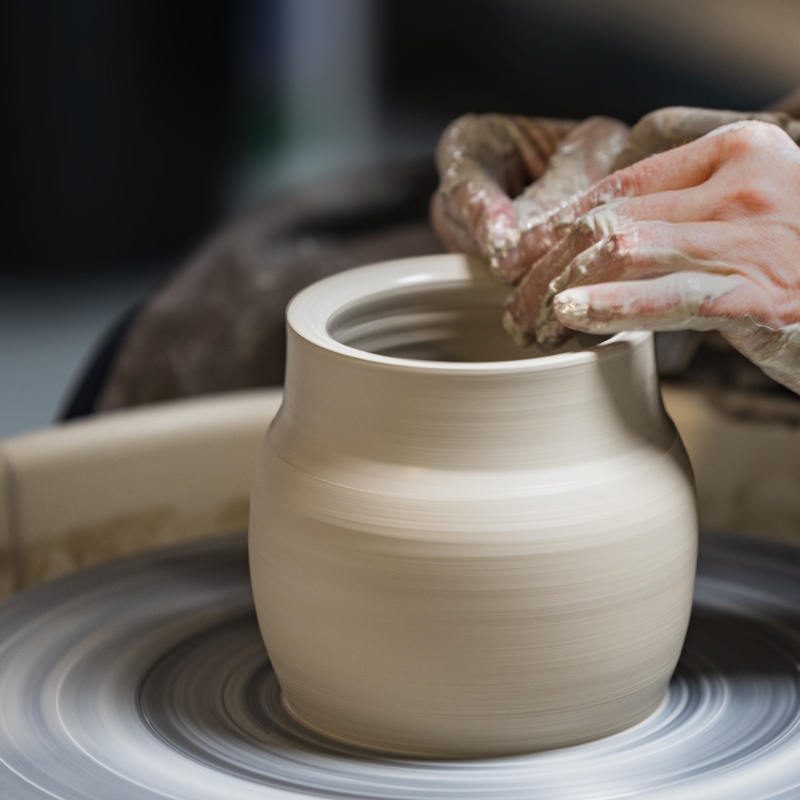
Ceramics has bounced back in a big way across Melbourne. Weeknight studios in Collingwood buzz with beginners, weekend workshops in Brunswick fill months ahead, and second-hand pottery wheels vanish from online marketplaces within hours. If you are weighing up where to start, the choice often narrows to two core techniques: wheel throwing and handbuilding. Both produce functional and sculptural pieces, yet they feel worlds apart once clay is on your hands. This comparison sets out the practical differences so you can step into the studio with confidence. If the spinning wheel already intrigues you, our wheel throwing workshop for beginners runs every week and keeps class sizes small.
Creative Rhythm and Outcome
Wheel throwing is fast, fluid and, at times, hypnotic. The wheel centres the clay, and your hands coax symmetrical forms in minutes. Bowls, cups and vases with clean curves come naturally once the basic pull clicks. Handbuilding is slower and more tactile. Without a wheel, you pinch, coil or slab-roll shapes, embracing asymmetry and surface texture. Soft thumbprints, intentional wonky walls and carved patterns turn into design features rather than flaws.
Students who enjoy repetition and refinement often gravitate toward wheel work. The thrill is in perfecting that flawless cylinder. Those who prefer sculptural freedom and quirky silhouettes find handbuilding liberating. Neither path is “better”; the preference usually matches your personality. Precision-seekers love the hum of the wheel, while free-form creatives relish the quiet pace of hand shaping.
Gear, Space and Ongoing Cost
Melbourne studios usually supply all equipment during classes, but many hobbyists want to continue at home. Here is how the two disciplines stack up when you set up a personal workspace:
Core equipment
Wheel throwing requires an electric pottery wheel, while handbuilding can be started with a simple work table, rolling pin and boards.
Footprint
A pottery wheel typically needs around 1 m × 1.5 m of dedicated space. Handbuilding is more flexible, as the workspace can be packed away and only requires a table or suitable surface.
Clay consumption
Wheel throwing usually uses more clay because repeated practice is needed to develop centring and shaping skills. Handbuilding generally uses less clay because the process is slower and more controlled.
Tool kit
Wheel throwers often need equipment such as batts, trimming tools and a splash pan. Handbuilders can work with a smaller set of tools, with optional additions such as slab guides for more detailed projects.
Clean-up
Wheel throwing can be messier due to splashes of slip and clay, making a good splash pan or easy-clean flooring useful. Handbuilding usually creates a simpler clean-up process with less mess and an easier wipe-down routine.
If budget or apartment space is tight, handbuilding is gentler on both fronts. A wheel, however, gives you speed once you invest. Many potters start with studio sessions for wheel work and switch to handbuilding in small home areas between classes.
Learning Curve and Body Comfort
Throwing looks effortless on social media reels, yet the first session can surprise newcomers. Centring demands steady core strength, balanced posture and controlled pressure. Expect a dozen wobbly “mud pies” before your first keep-worthy bowl. Muscle memory arrives after several sessions — progress feels steep and rewarding once you pass the initial hurdle.
Handbuilding techniques such as pinch pots click sooner, which is why many school programs start there. Coiling tall forms, however, tests patience and seam-joining skill. Because you are not locked into a forward-leaning stance over a spinning wheel, handbuilding can be kinder on backs and wrists. That said, long rolling sessions may fatigue shoulders.
Mid-career creatives often mix the two: wheel for quick cups, handbuilding for sculptural add-ons. An earlier article on bilingual tuition, Pottery Without the Language Barrier, touches on how instructors adapt demonstrations so every body type finds ergonomic positions — worth a read if comfort is a concern.
Studio Culture and Community
Most Melbourne studios schedule wheel classes in blocks so participants progress together across several weeks. The shared challenge of centring clay turns strangers into instant cheer squads. In contrast, handbuilding sessions frequently run as casual drop-ins; makers chat while slowly sculpting and may join for a single evening or a whole term.
Noise and pace differ too. Wheels hum, instructors call time intervals, and spurts of slip spraying happen around the room. Handbuilding tables feel calmer, broken only by rolling pins thumping clay sheets. Think about the social energy you enjoy. If group momentum fires you up, wheel classes deliver. If you prefer mellow conversation and space to ponder form, handbuilding tables beckon.
Environmental Footprint and Safe Practice
Both practices require mindful waste management — rinse water, glaze runoff and scrap clay add up quickly. Wheel work tends to create more slurry, while handbuilding produces trimming dust. Reclaiming clay is standard in quality studios, but home setups need extra thought. Whichever path you pick, plan a simple sediment trap under your sink or return slops to the studio reclaim.
Deciding Which Path Fits This Year
- Identify your creative priority. Clean symmetry? Go wheel. Textural storytelling? Choose handbuilding.
- Audit space and budget. No spare room? A fold-away handbuilding kit keeps the landlord happy.
- Test both before buying gear. Many studios, including ours, offer mixed-technique taster sessions so you can feel each method without commitment.
- Consider body mechanics. Any lingering wrist issues might steer you toward the gentler handbuilding stance.
- Factor in community vibe. Fast-paced teamwork fuels some learners; quiet focus suits others.
Plenty of Melburnians blend the two approaches across a single project: throw a bowl, then add a handbuilt sculptural lid. After a few months, skills complement rather than compete.
Closing Thoughts
Ceramics rewards curiosity more than perfectionism. Whether the wheel’s spin calls you or the slow craft of handbuilding sparks ideas, the real win is finding time to work clay between busy Melbourne weeks. Studios city-wide make that leap easier than ever, so pick the path that matches your style today and adjust as your confidence grows. Whichever route you take, the first piece that survives the kiln will feel magic — and that milestone is well within reach this year.