What Pottery Painting Techniques Are Best for Beginners?
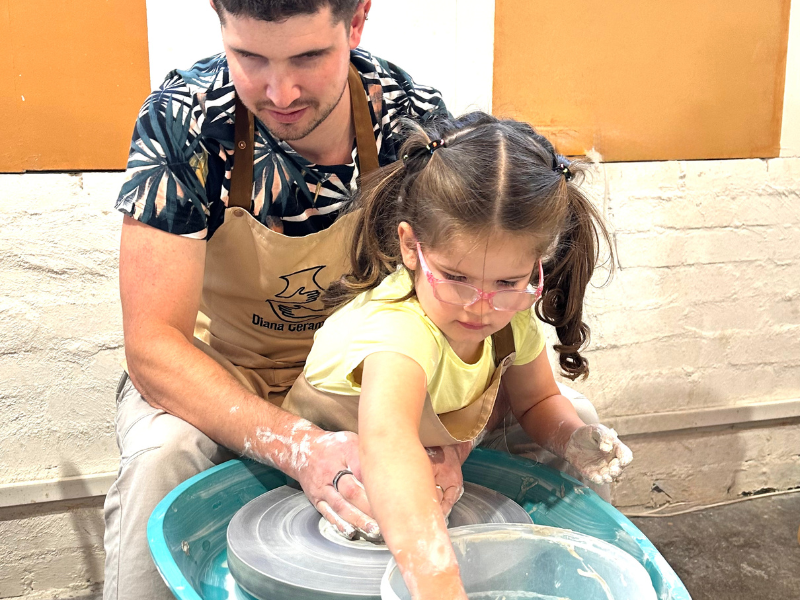
Layered base coats, simple masking, dotting, and light sponging give beginners the most control and clean results with pottery painting. If you want a steady start, these methods keep lines tidy, colours consistent, and designs cohesive without fancy tools. You’ll work in thin passes, avoid blotches, and build confidence piece by piece, even on curved mugs and bowls. Because skill grows with repetition, these techniques let you practise foundations while finishing pieces you’ll happily use at home. The basics of pottery painting also scale beautifully; once you’re set, add stencils, wax resist, or banding without losing your rhythm. This article walks you through beginner-safe techniques, a rock-solid setup, smart studio materials, the role of instruction, common pitfalls, and when to book a workshop
Which beginner-safe pottery painting techniques should you try first?
Starting with repeatable techniques builds control and keeps outcomes consistent. Thin coats dry faster, edges stay crisp, and you avoid overworking the bisque. Keep patterns simple early on; rhythm beats complexity when you want reliable wins. Here are the techniques:
- Base coats: Two to three thin passes deliver clean, sharp edges without flooding the surface.
- Dotting patterns: Use the end of a brush for even dots; rotate the piece, not your wrist, for a gentle learning curve.
- Simple masking: Low-tack tape or paper stencils create tidy stripes and borders on flats and curves.
- Light sponging: Tap colour for soft gradients; test density first to reduce the risk of muddy colours.
- Sgraffito lite: Score fine lines through a tinted undercoat using a toothpick for delicate detail.
These moves keep choices focused, which reduces hesitation mid-piece. Aim for two to three colours that blend well, then build a small motif library you can reuse. Finishing a piece with intent matters more than trying everything at once.
How can the right setup improve your pottery painting results?
A stable, ergonomic station transforms control. Good lighting reveals streaks before firing; a steady table and supported elbows protect line quality. Minor layout tweaks remove friction so you can focus on flow. Here are the setup fixes:
- Table stability: Rubber feet and a non-slip mat on a banding wheel keep lines straight and posture steady, reducing strain.
- Lighting placement: A daylight bulb at 45° shows coverage, so streaks show under glaze before the kiln does.
- Two-jar cleaning: One jar for washing, one for final rinses; your colours stay truer between strokes.
- Tool zoning: Clean, working, dirty—so brushes and sponges don’t cross-contaminate mid-design.
- Drying control: A hairdryer on cool speeds layers without pushing paint into grooves.
Set your space once, then maintain it. A predictable workstation cuts errors and frees attention for design choices. The more consistent your setup, the more reliable and repeatable your results will be across sessions.
What materials do beginners use when doing pottery painting at a studio?
Studios supply the essentials, yet choosing fewer, better tools speeds learning. Three brushes and three harmonising colours can carry a whole design language. Build from there as control improves. Here are the studio materials:
- Round brush (size 4–6): Smooth outlines, leaves, and controlled dots on curved forms.
- Flat brush (½″): Even fills, banding around rims, and tidy stripes with tape.
- Soft mop: Gentle blending and feathering without gouging underglaze.
- Underglazes: Two neutrals plus one accent for predictable layering and easy palette planning.
- Clear coat: If required, two thin passes instead of one heavy pour to prevent crazing.
Limit choices early on to learn drying rhythm and stroke order. Swatch tiles at the studio show fundamental kiln shifts, so reference them before committing. Record colours and coat counts in a small notebook to make your favourite finishes repeatable.
How does guided instruction change your experience of pottery painting?
Guided instruction compresses months of trial and error into an afternoon. Demonstrations reveal pressure, speed, and stroke order that written tips can’t show. Immediate feedback prevents early habits from hardening. Here are the instruction benefits:
- Stroke coaching: Bracing techniques for steadier lines and confident curves.
- Timing cues: When to layer, when to pause, and how to recover a patch cleanly.
- Palette planning: Simple rules for contrast, focal points, and balance on small forms.
- Project scaffolding: Templates that teach skills while producing gift-worthy pieces.
Instruction doesn’t replace your taste; it fast-tracks control so style can emerge. Use classes to set one learning goal per session. Then practise that skill on two or three small pieces to lock it in.
What mistakes should beginners avoid when practising pottery painting?
Most errors come from rushing or overworking. Slow the first coat, test opacity, and handle pieces by the foot ring only. Small habits save whole projects. Here are the common mistakes:
- Overloading the brush: Flooded strokes pool in textures and blur edges.
- Skipping test tiles: Colour density and transparency can be surprising after firing.
- Handling damp surfaces: Fingerprints and smudges become permanent ghosts.
- Heavy clear glaze: Thick coats can craze; build thin layers instead.
- Ignoring cleanup: Dirty rinse water tints light colours unexpectedly.
Set a timer for drying intervals and breathe. If a section misbehaves, pause and return after it dries. A measured pace turns avoidable hiccups into learning notes rather than permanent flaws.
When is a pottery painting workshop the right next step for a beginner?
A workshop helps when lines wobble, colours clash, or progress stalls. If you want practical corrections and a cohesive palette, structured guidance is the go. It also answers food-use questions and firing logistics without fuss. Here are the signs you’re ready:
- Wobbly borders: You want bracing drills and banding-wheel practice.
- Patchy coverage: You need to check coat thickness and sequence strokes.
- Colour confusion: You’d benefit from palette rules and focal-point planning.
- Design overwhelm: You prefer templates that build skills with clear, step-by-step instructions.
- Food-use queries: You want clarity on topcoats and kiln-safe finishes.
Mid-week sessions are typically quieter, offering more attention and easier focus. If scheduling flexibility helps, consider evening slots with structured projects and clear outcomes. For a guided start that suits creative beginners, consider a trusted pottery painting workshop as a straightforward pathway to practical skills and confident results in the studio.
Final thoughts on learning pottery painting with confidence
Build foundations first, then add complexity when sessions feel calm and outcomes are consistent. Thin coats, tidy setups, limited palettes, and wise guidance remove the jitters and make finished pieces feel fair dinkum. When clarity on timing, materials, and design choices would smooth your next step, you can ask for direct, local guidance without fanfare by reaching out and asking questions that matter to your goals; in that spirit, ask Diana Ceramic how you can start your own pottery painting journey to align timing, project scope, and firing details with confidence and no dramas.