Pottery for Beginners: The 12 Most Common Mistakes (and How to Fix Them)
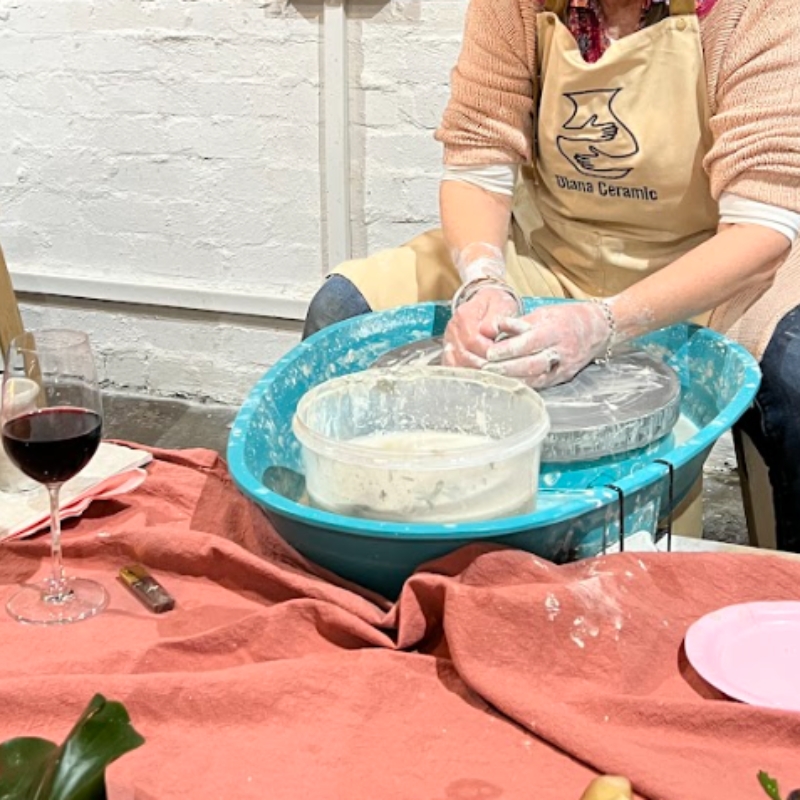
Starting pottery is equal parts magic and mild chaos. One day, you’re holding a smooth cylinder you’re convinced will become a mug. The next, it’s slumped, cracked, or mysteriously warped like it’s trying to escape the laws of physics.
The good news: most beginner “fails” aren’t random. They’re predictable, they happen at specific stages, and they’re usually fixable (or preventable next time). Below are the 12 mistakes I see most often, explained in plain English with practical fixes you can try right away—whether you’re handbuilding, wheel throwing, or dabbling at home.
Along the way, you’ll see quick Q&A blocks you can skim when you’re in troubleshooting mode.
Before we start: diagnose by stage, not by emotion
When something goes wrong, the fastest way to solve it is to identify what stage you’re in:
• Clay prep (wedging, moisture)
• Forming (wheel or handbuilding)
• Drying (leather-hard to bone-dry)
• Trimming and joining
• Bisque firing
• Glazing
• Glaze firing and cooling
Most issues trace back to moisture, uneven thickness, trapped air, rushed drying, or glaze application. Let’s get into it.
Can this be saved?
If your piece is:
• Still soft: often salvageable with reshaping, compressing, or gentle drying changes
• Leather-hard: you can trim, refine, mend small cracks (sometimes), and fix minor joins
• Bone-dry: repairs are limited; focus on prevention and handle with care
• Bisqued: You can adjust the glazing approach, but you can’t change the clay body’s structure
• Glaze-fired: some defects can be re-fired, but many are “learn for next time”
If you want hands-on help in Melbourne, joining a Melbourne clay workshop can fast-track the basics like wedging, wall thickness, and drying control.
Mistake 1: Skipping wedging (or doing it half-heartedly)
What you’ll notice
• Lumps, hard bits, or inconsistent feel
• Cracking and tearing when you stretch the clay
• Bubbles or blowouts later in firing (worst case)
Why it happens
Clay straight from the bag can still have uneven moisture or trapped air pockets. Wedging aligns platelets, evens out moisture, and reduces surprises.
How to fix it
• Cut your clay block in half and slam the faces together a few times (simple “stack and slam”)
• Then wedge 30–60 seconds until the texture is consistent
• If your clay feels too stiff, wrap it and let it sit overnight rather than drowning it in water
Prevent it next time
• Wedge small amounts more thoroughly rather than wrestling a huge lump
• Keep your reclaim consistent—mix well, bag it, and let it equalise before using
Q&A block
Do I always have to wedge if I’m handbuilding?
If you’re doing small pinch pots, you can sometimes get away with minimal wedging, but it’s still a smart habit—especially if you’re joining pieces or rolling slabs where air pockets can turn into cracks.
Mistake 2: Adding too much water while forming
What you’ll notice
• The clay turns floppy, sticky, and loses structure
• Your walls collapse on the wheel or slump in handbuilding
• Surfaces get slimy and hard to clean up
Why it happens
Water is useful, but too much weakens the clay and makes it harder to control. Beginners often use water to “fix” friction when they actually need better compression or less force.
How to fix it
• Stop adding water and use a rib or sponge to remove slip and firm the surface
• If wheel throwing: pause, compress the rim, and let the piece stiffen for a minute
• If handbuilding: let the clay sit uncovered briefly until it’s workable again
Prevent it next time
• Use a spray bottle lightly rather than dunking
• Focus on steady pressure and smoother movements instead of more water
Mistake 3: Uneven wall thickness (the silent saboteur)
What you’ll notice
• Cracks during drying or firing
• Warping, leaning, or twisted forms
• The glaze looks uneven because absorption varies
Why it happens
Thick areas dry slower, thin areas dry faster. That difference creates stress. On the wheel, beginners often leave thick bottoms and thin upper walls. In handbuilding, slabs can be uneven or joined without blending.
How to fix it
• On the wheel: use a needle tool to check thickness, especially at the base
• In handbuilding: compress and smooth joins, and use guides when rolling slabs
• Trim strategically at leather-hard to even things out
Prevent it next time
• Make “even thickness” your main goal, not height or speed
• Learn what a consistent wall feels like under your fingers
Q&A block
How thick should beginner pots be?
It depends on the form, but beginners usually do better slightly thicker than “pro thin.” Aim for consistent thickness over thinness.
Mistake 4: Not compressing the base (hello, S-cracks)
What you’ll notice
• A crack that looks like an S (or a crescent) on the bottom
• The piece seems fine… until it dries or comes out of bisque
Why it happens
S-cracks are often caused by stress in the base—especially when the bottom isn’t compressed during forming, or when the base is thicker than the walls.
How to fix it
• On the wheel: compress the base early and often with a rib or your fingers
• During trimming: avoid leaving the bottom too thick compared with the walls
• Dry slowly and evenly (more on that below)
Prevent it next time
• Compress the base right after opening, and again after pulling walls
• Keep the base thickness proportional—don’t leave a chunky “puck”
Mistake 5: Pulling too fast on the wheel (or forcing the clay)
What you’ll notice
• Wavy walls, thin spots, tearing
• Rim flares unpredictably
• Collapse mid-pull
Why it happens
Speed and force feel productive, but clay responds better to controlled pressure. If your hands move faster than the clay can support, it distorts.
How to fix it
• Slow down—one good pull beats three panicky pulls
• Collar in gently if the form is widening
• Stop and re-centre your hands; check moisture before continuing
Prevent it next time
• Practise pulling with a timer: one slow pull taking 10–15 seconds
• Keep your elbows anchored to reduce wobble
Q&A block
Why does my cylinder suddenly go off-centre?
Usually a combo of too much water and uneven pressure. Firm the surface, slow down, and keep your hands connected.
Mistake 6: Joining clay without scoring and slipping properly
What you’ll notice
• Handles pop off
• Coils separate
• Attachments crack at the seam during drying or firing
Why it happens
Clay joins need mechanical interlocking and compatible moisture. If you stick a wet slip between two smooth surfaces, it may hold briefly, then fail as it shrinks.
How to fix it
• Score both surfaces deeply (crosshatch)
• Use slip made from the same clay body
• Press firmly, then blend the seam so it becomes one continuous surface
• Support attachments while drying (paper, foam, or gentle propping)
Prevent it next time
• Join at similar moisture stages (leather-hard to leather-hard is ideal)
• Don’t rush handles—attach when the mug and handle are compatible in firmness
Where guidance helps most
If you’re learning fundamentals like scoring, slipping, and handle attachment, a pottery class for beginners gives you real-time feedback before small issues turn into cracks later.
Mistake 7: Rushing drying (especially in Melbourne’s changeable weather)
What you’ll notice
• Cracks along rims, seams, or bottoms
• Warping slabs
• One side dries faster than the other
Why it happens
Drying too fast causes the outer layer to shrink while the inside is still wet. That mismatch creates tension cracks. In Melbourne, indoor heating, a sunny windowsill, or a breezy day can speed drying dramatically—even if the air feels cool.
How to fix it
• Slow everything down: loosely cover with plastic to even out moisture
• Rotate pieces so all sides dry at a similar rate
• For slabs: dry between boards or on plaster/drywall, flipping occasionally
Prevent it next time
• Avoid direct sun, heaters, and strong drafts
• Treat slow drying as a default, not a “special” step
Q&A block
Should I dry my piece in the oven to speed things up?
Avoid it. Uneven heating can crack work quickly.
Mistake 8: Handling pieces at the wrong clay stage
What you’ll notice
• Finger dents that won’t smooth out
• Distortion when you pick it up
• Cracks where you tried to “fix” something too late
Why it happens
Each stage has a sweet spot:
• Too wet: it slumps
• Too dry: it cracks
• Just right: it trims, refines, and joins cleanly
How to fix it
• If it’s too soft: let it firm under plastic (not uncovered)
• If it’s too dry for joining: consider remaking, or try mending, knowing results vary
• For trimming: aim for leather-hard—like cheddar cheese
Prevent it next time
• Keep a simple log: date made + stage next day
• Store pieces consistently so you learn your studio’s drying rhythm
Mistake 9: Trimming too early or too late
What you’ll notice
• Chattering and tearing (too wet)
• Hard, dusty trimming with chips (too dry)
• Walls collapse under trimming pressure
Why it happens
Trimming is easiest at leather-hard. Beginners often trim as soon as the piece looks “not shiny,” which can still be too soft.
How to fix it
• If too wet: wait, wrap loosely and check again
• If too dry: lightly dampen the surface and rest under plastic briefly (don’t soak)
• Use sharp tools and light pressure
Prevent it next time
• Plan trimming time into your workflow
• Make test marks with a fingernail: you want a clean line without deformation
Mistake 10: Underestimating firing variables
What you’ll notice
• Cracks that appear after firing
• Warping that wasn’t visible before
• Pieces sticking to the kiln shelves
Why it happens
Firing outcomes depend on:
• Even drying (bone-dry before bisque)
• Clay body suitability
• Shelf prep (kiln wash)
• Proper spacing and support
• Heating/cooling rates (especially for thicker pieces)
How to fix it
• Ensure bone-dry before firing (cool to the cheek, no darker patches)
• Don’t rush thick bases
• Keep glaze off the bottom and follow shelf prep rules in shared studios
Prevent it next time
• Treat firing as its own skill set
• Ask about clay/glaze temperature ranges and fit
Q&A block
Why did my piece crack in bisque even though it looked dry?
Often it wasn’t fully bone-dry, or it had stress from uneven thickness or rushed drying.
Mistake 11: Glazing too thick, too thin, or on dusty bisque
What you’ll notice
• Drips and runs (too thick)
• Patchy or pale colour (too thin)
• Crawling (glaze pulls away into bare spots)
• Pinholes (tiny holes) or roughness
Why it happens
Common beginner culprits:
• Dusty bisque
• Wrong glaze thickness
• Overworking layers
• Contamination (oils, lotion, sanding dust)
How to fix it
• Wipe bisque with a clean, slightly damp sponge before glazing
• Keep dip time consistent (or coats consistent if brushing)
• Let coats dry between layers and avoid scrubbing while tacky
Prevent it next time
• Keep notes: glaze name, coats, dip seconds, firing temp
• Mix glaze properly—settling is normal, stirring is essential
Mistake 12: Treating food safety as an afterthought for functional ware
What you’ll notice
• A beautiful mug… but you’re unsure if it’s safe to use
• Crazing (fine crackle lines) that may trap residues
• Surfaces that look worn quickly
Why it happens
“Food safe” depends on glaze formulation, firing, fit between glaze and clay, and whether the surface is durable. Many studios use tested glaze systems, but it’s still smart to understand the basics.
What to do
• Use clay bodies and glazes intended for functional ware
• Avoid glaze on the base/foot that contacts the kiln shelves
• Ask whether the glaze system is formulated and fired for functional surfaces
• Be cautious with heavily crazed interiors for everyday use
For the general Australian food-safety context, you can reference Food Standards Australia New Zealand (FSANZ).
Prevent it next time
• Decide early: functional vs decorative
• Use studio-tested glaze/clay combos for surfaces that contact food and drink
A simple troubleshooting flow you can run every time
When something goes wrong, ask:
- At what stage did the problem appear?
- Is the thickness even (walls, base, joins)?
- Was moisture controlled (too wet, too fast, uneven drying)?
- Were joins scored, slipped, pressed, and blended?
- Was the bisque clean and the glaze applied consistently?
- Is this a “save it” moment or a “learn and remake” moment?
Remaking is not failure in ceramics—it’s how you build the instincts.
If you’re curious but not ready to commit to a big project, you can try ceramics in Melbourne and practise the key skills that prevent most beginner mistakes.
FAQ: Beginner pottery mistakes and fixes
Why does my clay crack while drying, even if I covered it?
Usually uneven thickness or uneven exposure. Covering helps, but if one side is thicker or catching a draft, it can still crack. Slow drying plus consistent thickness is the combo that wins.
Can I fix cracks in leather-hard clay?
Sometimes. Small cracks can be compressed closed and reinforced with matching clay and slip, then blended carefully. If a crack keeps reopening, it often indicates deeper stress—focus on prevention.
What causes S-cracks?
Often, insufficient compression of the base, a base that’s thicker than the walls, or drying too fast. Compress early, keep thickness consistent, and slow drying.
Why does my pot collapse on the wheel?
Common causes: too much water, pulling too thin too fast, uneven pressure, or clay that’s too soft. Remove slip, slow down, compress the rim, and pull steadily.
Why is my glaze patchy?
Usually, the glaze is too thin, the bisque is dusty, or the glaze wasn’t mixed well. Clean the bisque, stir thoroughly, and apply consistently.
What causes crawling?
Dusty bisque, oily fingerprints, or overly thick glaze can cause crawling. Clean bisque, handle with clean hands, and avoid thick, uneven coats.
How do I stop slabs from warping?
Compress the slab, keep the thickness even, dry slowly on a flat surface, and flip regularly. Avoid drying one side faster.
When should I trim?
When it’s leather-hard—firm enough to hold shape, soft enough to cut cleanly. If it tears, it’s too wet. If it chips and dusts, it’s too dry.
What’s the one habit that prevents the most beginner mistakes?
Slowing down drying. It’s the quiet hero behind fewer cracks, less warping, and better joins.