Pottery Classes in Melbourne: A Beginner’s Guide to Learning Ceramics
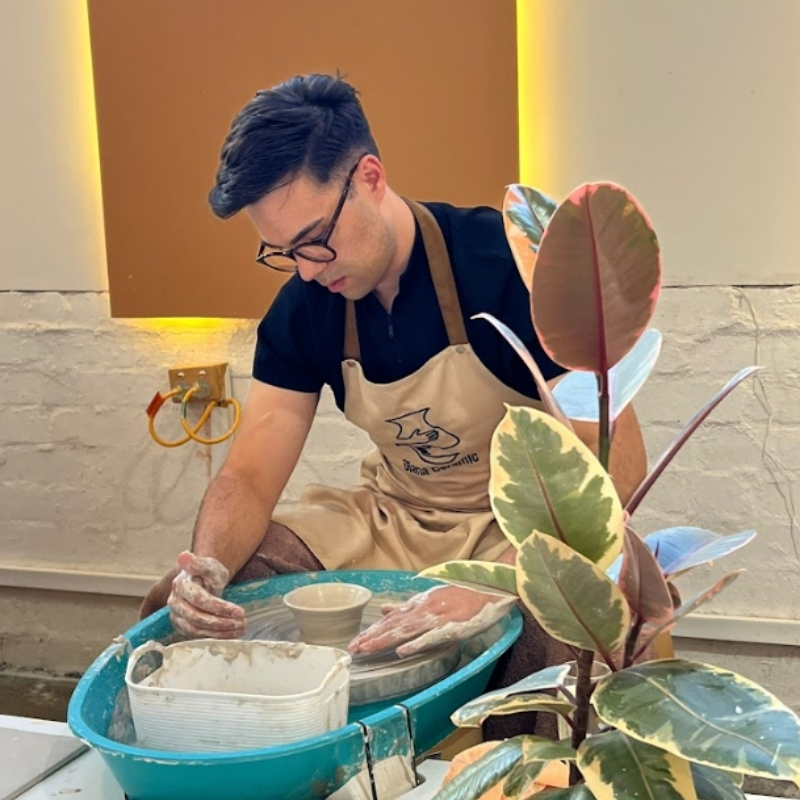
Starting something creative for the first time can feel equal parts exciting and intimidating. If you’ve ever admired handmade ceramics and wondered whether you could create something similar yourself, you’re not alone. Pottery classes in Melbourne have become increasingly popular among beginners looking for a hands-on creative outlet, a mindful break from daily life, or simply a fun way to try something new.
This guide is designed specifically for beginners. Whether you have zero experience with clay or you’re unsure what actually happens in a pottery class, this article will walk you through everything you need to know before you book your first session.
What Are Pottery Classes?
Pottery classes are structured, instructor-led sessions where participants learn how to work with clay to create functional or decorative ceramic pieces. In Melbourne, most pottery studios offer beginner-friendly classes that focus on foundational skills rather than artistic perfection.
These classes typically introduce you to:
• Basic clay preparation
• Fundamental forming techniques
• Simple shaping and trimming
• An introduction to glazing and firing
You don’t need to be “artistic” to enjoy pottery. The goal is learning through doing, not producing a flawless final piece.
Are Pottery Classes Suitable for Beginners?
Yes, absolutely. Most pottery classes in Melbourne are designed with beginners in mind, even if the class description doesn’t explicitly say so. Instructors expect first-timers and structure lessons to be approachable, supportive, and pressure-free.
Beginner-friendly classes focus on:
• Step-by-step instruction
• Small, achievable projects
• Learning how clay behaves
• Building confidence with tools and techniques
Mistakes are not only expected, but they’re also encouraged as part of the learning process.
What Happens in Your First Pottery Class?
One of the biggest anxieties beginners have is not knowing what to expect. While each studio runs classes slightly differently, most beginner pottery classes follow a similar structure.
Introduction and Studio Orientation
Your instructor will usually begin by explaining:
• How the studio works
• Basic safety guidelines
• The tools and equipment you’ll be using
This is also when you’ll get familiar with the clay and learn how to prepare it properly.
Learning a Core Technique
Beginner classes typically focus on one main technique per session:
• Hand-building (pinching, coiling, slab work), or
• Wheel throwing (using a pottery wheel)
You’ll watch a demonstration, then try it yourself with guidance from the instructor.
Creating Your First Piece
Rather than being thrown straight into complex projects, beginners usually work on:
• Small bowls
• Cups or mugs
• Simple decorative forms
The emphasis is on understanding the process, not rushing the result.
Wrapping Up and What Happens Next
At the end of the class:
• Your pieces are set aside to dry
• The studio handles firing in the kiln
• Glazing may happen in a later session or be included
Many beginners are surprised to learn that pottery is a multi-stage process, which is part of what makes it so rewarding.
Wheel Throwing vs Hand-Building – Which Is Better for Beginners?
Both techniques are beginner-friendly, but they offer very different experiences.
Hand-Building
Hand-building is often recommended for first-timers because:
• It’s slower and more forgiving
• You don’t need to control a spinning wheel
• It helps you understand clay structure
This method is ideal if you enjoy a calm, tactile process.
Wheel Throwing
Wheel throwing is what most people picture when they think of pottery. It’s exciting but can feel challenging at first.
Beginners often enjoy wheel throwing because:
• It feels dynamic and immersive
• You can create symmetrical forms
• Progress becomes very satisfying over time
Many studios allow beginners to try both techniques across different sessions, especially through structured pottery workshops and courses in Melbourne.
How Long Does It Take to Learn Pottery?
This is one of the most common beginner questions. The honest answer is that pottery is a skill you build gradually, but you’ll start enjoying it right away.
For most beginners:
• You’ll make something on your first day
• Comfort with clay develops after a few classes
• Noticeable improvement happens within 4–6 sessions
Pottery rewards patience. The more time you spend with clay, the more intuitive it becomes.
What Should Beginners Wear or Bring?
Most studios provide everything you need, so you don’t need to bring supplies. However, dressing appropriately will make your experience more comfortable.
Beginner-friendly tips:
• Wear clothes you don’t mind getting dirty
• Choose fitted sleeves or roll them up
• Bring short nails if possible
• Tie back long hair
Clay washes out, but it’s best not to wear anything precious.
Common Beginner Concerns (And Why You Don’t Need to Worry)
“I’m Not Creative”
Creativity in pottery comes from practice, not talent. Classes focus on technique first, creativity later.
“Everyone Else Will Be Better Than Me”
Pottery classes attract all skill levels. Beginners are far more common than you think.
“I’ll Mess It Up”
You will — and that’s normal. Clay can be reused, reshaped, and reworked. Mistakes are part of the process.
If you’re curious about what makes a pottery class great for beginners, the studio environment and instructor support matter far more than natural ability.
Why Pottery Classes Are Popular in Melbourne
Melbourne’s creative culture makes it an ideal place to explore ceramics. Pottery classes appeal to a wide range of people because they offer:
• A break from screens and digital life
• A mindful, hands-on experience
• A sense of achievement from making something real
• A social but relaxed atmosphere
Many people also discover pottery through unique experiences like a pottery class date night in Melbourne, combining creativity with connection.
The Benefits of Learning Ceramics as a Beginner
Beyond learning a new skill, pottery offers benefits that extend well beyond the studio.
Mental Wellbeing
Working with clay is grounding and calming, helping reduce stress and improve focus.
Confidence Building
Creating something from scratch builds confidence, especially when you see tangible progress.
Creative Expression
Pottery allows you to express yourself without pressure or rules.
According to Australian arts research supported by Creative Victoria, hands-on creative activities contribute positively to wellbeing and community engagement.
How to Choose the Right Pottery Class in Melbourne
When choosing a beginner pottery class, look for:
• Clear beginner-friendly descriptions
• Small class sizes
• Experienced instructors
• Inclusive, welcoming studio culture
Don’t worry about finding the “perfect” class. The best class is the one that makes you feel comfortable enough to start.
Frequently Asked Beginner Questions
Do I need experience to join pottery classes?
No. Beginner classes are designed for people with no prior experience.
How much do beginner pottery classes cost in Melbourne?
Prices vary by studio and session length, but beginner classes are generally affordable and include materials and firing.
Can I keep what I make?
Yes. Finished pieces are usually glazed and fired, then returned to you after the process is complete.
Is pottery messy?
It can be, but that’s part of the fun. Studios are designed for easy clean-up.
Final Thoughts – Is a Pottery Class Right for You?
If you’re curious about ceramics, enjoy learning through hands-on experiences, or simply want to try something new, pottery classes in Melbourne are an excellent place to start. You don’t need talent, experience, or confidence — just a willingness to give it a go.
Pottery isn’t about perfection. It’s about learning, slowing down, and enjoying the process.