Paint-Your-Own Pottery or Make It From Clay: Which to Try First
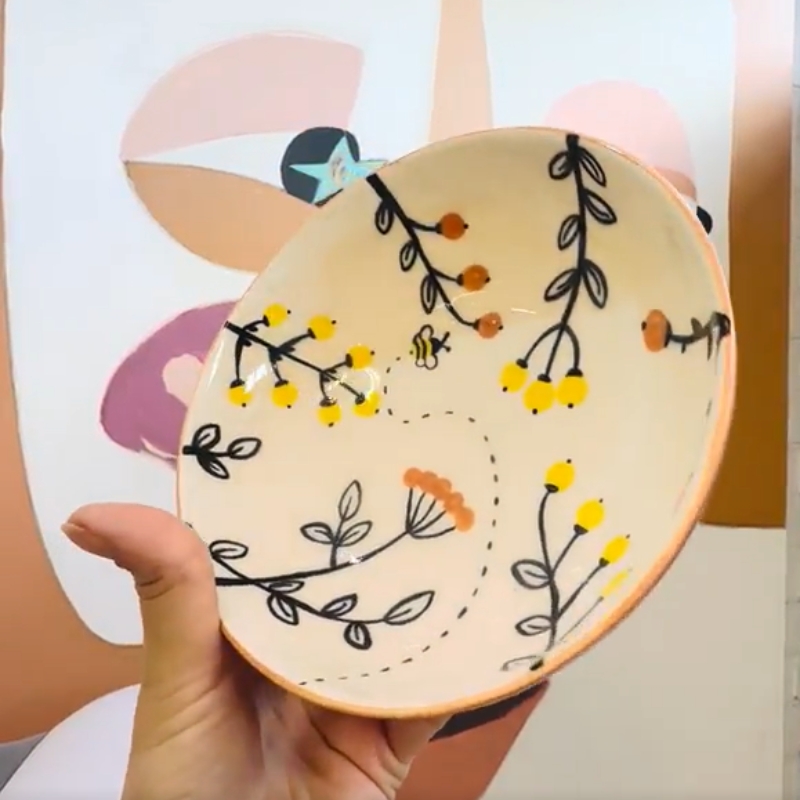
Two quite different experiences both get called "pottery", and if you are booking your first creative session, it helps to know which one you are actually signing up for. One is painting a ready-made ceramic piece, where you decorate something that is already shaped and take home a finished, colourful object. The other is making something from raw clay, where you learn to form the piece yourself from scratch. If you want a decorated object to take away from a single fun session, painting is the one to look at. If you want to learn an actual skill and do not mind that the result takes longer and looks handmade, making from clay is for you. This article explains what each involves so you can pick the right first session.
What painting your own ceramics actually involves
Painting your own ceramics starts with a piece that has already been made and had its first firing, known as bisque-ware. It is a plain, porous ceramic object, a mug, a bowl, a plate or a figurine, ready to be decorated. You choose a piece, then apply colour to it using underglaze or glaze, painting on your design with brushes at your own pace. It is relaxed, needs no previous experience, and is as much about the decorating as the result.
Once you have finished painting, you leave the piece with the studio to be glazed and fired in the kiln, which is what sets the colour and gives it that smooth, glossy finish. The thing first-timers are most surprised by is that the colours change in the kiln. The underglaze you paint on often looks chalky and muted while you are working, and it is the firing that brings out the true, vivid colour, so what comes out can look noticeably different and brighter than what went in. That transformation is part of the fun of it. If decorating appeals more than building from scratch, you can paint your own ceramics in Melbourne in a single relaxed session.
What making from clay actually involves
Making from raw clay is the other path, and it is about forming the piece yourself rather than decorating one that already exists. There are two main routes into it. The first is the wheel, the one most people picture, where you shape a spinning lump of clay with your hands into a bowl or a cup. The second is hand building, where you form pieces by hand using techniques like pinching, coiling and joining slabs of clay, without a wheel at all.
It is worth setting expectations for a first session. Making from clay is a skill, and like any skill it takes practice. A first piece on the wheel is usually on the small side and a little uneven, because centring and shaping clay is genuinely tricky at the start, and that is completely normal and part of the charm of a handmade first attempt. Hand building tends to be a gentler introduction, since you are not fighting a spinning wheel. If learning to make rather than decorate is what draws you, look at a beginner wheel throwing workshop for the wheel, or a hand building workshop if you would rather start without one.
Which one suits you
The quickest way to decide is to compare what each session actually asks of you and gives you:
Painting Your Own Ceramics vs Making From Clay
When painting your own ceramics, you start with a ready-made bisque piece, so there is no need to learn pottery skills. You simply decorate the piece using brushes and colour, then collect it after firing.
Making from clay starts with a lump of raw clay, so it requires learning and practising new skills. It is also more hands-on and messier, with wet clay involved. Once fired, you take home a piece that you have shaped yourself.
For groups, painting ceramics is generally easier for people with different skill levels because everyone can decorate at their own pace. Making from clay can also be enjoyable, but it is more hands-on and may suit people who are curious about learning pottery techniques
In short, painting suits anyone who wants a relaxed, low-pressure session with a decorated object at the end, and it works well for a group with mixed interest levels. Making from clay suits someone who wants to learn the craft itself and does not mind a bit of mess and a wobbly first result. Both leave the piece with the studio to be fired before you collect it, so neither is a same-day take-home.
Doing both
You do not have to choose one forever, and plenty of people do both. A common path is to paint first and come back to the wheel later, and that order works well for a reason. Painting is an easy, welcoming introduction that gets you into the studio, familiar with how glazing and firing work, and comfortable with the idea of making a ceramic object, all without the challenge of forming the clay yourself. Having enjoyed that, many people get curious about making a piece from scratch and come back to try the wheel or hand building. Starting with painting takes the pressure off, so if you are unsure which to try first, painting is a low-risk way in, and the wheel is there whenever you are ready for the next step.
Making your choice
It comes down to what you want from the session: painting gives you a decorated piece from a relaxed, no-experience-needed sitting, while making from clay teaches you to form a piece yourself and rewards a bit of patience. Either way, you leave with something you created and collect it once it has been fired. If you would rather decorate than build, book a ceramic painting session at our Brunswick or Burwood studio.