Creative Things to Do in Melbourne When It’s Cold or Raining: Why Clay Is the Perfect Indoor Hobby
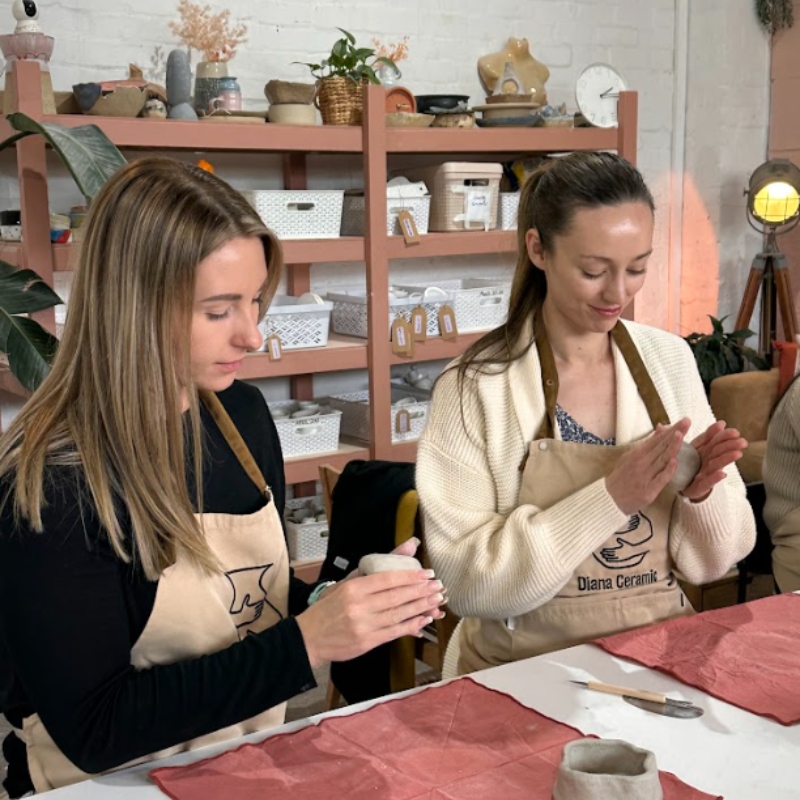
Melbourne's weather has a talent for changing its mind halfway through your plans. One minute it’s bright enough for a river walk, the next it’s sideways drizzle, and you’re searching for something—anything—that isn’t just scrolling indoors.
The good news: a rainy day in Melbourne can be the perfect excuse to do something that actually feels satisfying. The kind of thing where you look up and realise you’ve been properly present for an hour, not just “passing time”.
This guide gives you a shortlist of genuinely rewarding indoor ideas (not a massive directory), plus a simple way to choose what suits your mood today. And then we’ll zoom in on one option that ticks almost every wet-weather box: clay.
Pick your rainy-day plan in 60 seconds
If you’ve ever wasted half the day deciding what to do, this little framework helps. Choose the option that best matches your energy level and who you’re with.
1) How much “effort” do you want?
• Low effort: cosy, warm, minimal planning, you can arrive and switch off
• Medium effort: you want to learn something or make something
• High effort: you want to be challenged, move your body, or be fully absorbed
2) Do you want to leave with something?
• Yes: you’ll enjoy making, building, drawing, shaping, tasting, or crafting
• No: you’d rather watch, wander, listen, or soak in ideas
3) What’s your social vibe today?
• Solo reset: quiet, reflective, no small talk required
• Couple/close friend: something shared that prompts conversation
• Group-friendly: a structured activity that keeps everyone engaged
Once you know your three answers, choosing becomes easy.
Q: What are the best indoor activities in Melbourne when it rains?
The best option is the one that matches your energy and attention span. If you want a low-effort day, go for galleries, cinemas, or a long café sit. If you want to feel refreshed (not just sheltered), choose a hands-on activity where you make something—clay, painting, cooking, or a workshop—because it gives your brain a proper “reset” from screens.
Cosy indoor activities in Melbourne that don’t feel like time-filling
You don’t need 30 ideas. You need 4–6 that reliably work, especially when the weather turns. On those classic grey-sky days, Melbourne’s wet-weather swings are well documented by the Bureau of Meteorology, which is why having a go-to indoor plan helps.
A warm wander that still feels “Melbourne”
If the rain is light but annoying, choose indoor-to-indoor exploring. Melbourne is made for it: laneways, arcades, hidden staircases, and places where you can dip in and out without committing to a full-day mission.
A good rainy-day rule: pick one anchor destination (gallery, museum, market, cinema) and let everything else be flexible. That way, you’re not trying to “see it all”—you’re just giving the day a centre.
Try pairing:
• A gallery/museum visit + a slow coffee nearby
• A bookshop browse + dumplings or ramen
• A market wander + something warm you can eat with your hands
The goal isn’t productivity. It’s the feeling of being out in the world without fighting the weather.
A proper “sit-down” experience
There’s a difference between grabbing a coffee and choosing a café the way you’d choose a spot to read or write. Rainy days are perfect for long-form sitting—journalling, sketching, reading, planning trips you might take later.
To make it feel special, do one small thing:
• Bring a book you’ve been meaning to start
• Write a postcard to someone (yes, really)
• Sketch your surroundings for 10 minutes (no talent required)
• Make a list of “things I’ve been postponing that would make life easier”
That tiny intention changes it from “killing time” to “taking care of myself”.
A screen-free creative workshop
This is the category most people forget until they try it once: structured creativity. Workshops are ideal rainy-day plans because:
• They’re indoors by default
• The time is already blocked out
• You don’t need to invent a plan from scratch
• You leave with something tangible or at least a new skill
Workshops don’t need to be intense. The best ones for a wet Melbourne weekend feel like a guided play session for adults.
This is where clay shines.
Why is clay the perfect rainy-day hobby
Clay is tactile, forgiving, and quietly absorbing. It’s also one of the few creative activities where you’re using both your hands and your attention in a way that naturally pulls you into the moment.
A rainy day often comes with a particular mood: slower, softer, a bit grey. Clay matches that energy.
Here’s why it works so well.
It’s calming without being boring
Some “relaxing” activities are relaxing because they’re passive. Clay is relaxing because it’s focused. Your hands are busy, your mind narrows to what’s right in front of you, and you stop running mental tabs in the background.
People often describe it as a reset:
• You’re not performing
• You’re not optimising
• You’re just making
That’s rare—and surprisingly restorative.
It gives you a tiny sense of progress
Rainy days can feel like you’ve lost a day to weather. Making something flips that feeling. Even a simple pinch pot or small bowl becomes proof that you did something real.
Progress is motivating, especially if you’ve been feeling flat, overworked, or stuck in routines.
It’s social in the easiest possible way
If you go with a friend, clay creates conversation without forcing it. You can talk while your hands work. Or you can be quiet without it being awkward.
It’s a gentle kind of social time—ideal for people who want connection without noise.
It’s beginner-friendly by nature
Clay is not precious. You can rework it, reshape it, start again. Mistakes aren’t disasters; they’re part of the process.
If you’ve ever avoided creative hobbies because you “aren’t artistic,” clay is a friendly place to start.
If you’re curious about working with clay for the first time, the most important thing to know is that your first session isn’t about perfection—it’s about learning how the material behaves and getting comfortable using your hands.
Q: Is clay messy?
It’s more “dusty and splatty” than “ruins-your-life” messy. Think: washable clay residue, a bit of slip (wet clay), and hands that feel like you’ve done something. Most beginners find it less messy than expected, especially if they wear practical clothes and tie their hair back.
What to expect when you try clay as a beginner
Rainy-day plans go best when you know what you’re walking into. Here’s the reality, in plain language.
You’ll start slower than you think—and that’s good
Clay rewards patience. In your first go, you’ll probably notice:
• Your hands want to rush
• You press too hard at first
• The clay changes quickly with small movements
That learning curve is the whole point. It’s why clay feels absorbing: you’re constantly adjusting and responding.
Your first pieces might be wonky—and still worth keeping
Beginner pieces often have charm. A slightly uneven rim can feel handmade in the best way. A tiny wobble becomes proof you made it, not a machine.
If you’re used to digital work where “undo” exists, clay is a refreshing contrast. You work with what’s there.
It takes time from making to finishing
This is the part people don’t realise: ceramics is a process.
Even after you shape something, it typically needs to:
• Dry (so it doesn’t crack or explode in firing)
• Be fired once (often called bisque firing)
• Be glazed
• Be fired again (glaze firing)
That timeline is why rainy-day clay plans can become a hobby: you make something now, and there’s a future moment where you get the finished piece. It stretches the joy out.
Q: How long does pottery take from clay to a finished piece?
Usually longer than people expect. The making part can be a single session, but drying and firing add time. The exact timeline depends on the studio process and the type/size of what you make. The key takeaway: the “quick win” is the experience; the finished piece is the bonus that arrives later.
A beginner comfort checklist for rainy-day clay plans
If you’ve been curious but hesitant, these small prep tips make the experience more enjoyable.
What to wear
• Comfortable clothes you don’t mind getting a bit dusty
• Short or fitted sleeves (rolling sleeves down can get annoying)
• Closed-toe shoes if you have them (helpful, not always essential)
• Hair tied back if it falls forward
What to do with hands and jewellery
• Remove rings (clay loves hiding underneath them)
• Keep nails practical if you can (shorter nails are easier, but not mandatory)
• Bring a hair tie even if your hair is “usually fine”
What to bring mentally
• Curiosity over performance
• A willingness to try something twice
• Permission to make something simple
If you want a gentle on-ramp, look for beginner-friendly clay sessions where the vibe is supportive and you’re guided through the basics without pressure.
Q: What if I’m “not creative”?
You don’t need creativity to start. You need willingness. Clay is physical first—press, pinch, smooth, shape. Creativity shows up later, often quietly, once you feel comfortable.
Rainy-day plans you can build around clay
To make this genuinely useful (not just inspirational), here are a few Melbourne-friendly “day shapes” you can copy.
The 2-hour reset (solo or with one friend)
• Do a hands-on session (clay, drawing, cooking)
• Follow it with one warm drink somewhere cosy
• Finish with a short walk under cover—arcades, laneways, indoor markets
Why it works: you get a clear beginning and end, and you leave the house without needing a whole-day itinerary.
The rainy-day date that isn’t a movie
• Choose an activity where you can talk while doing something
• Add an easy food plan afterwards (nothing fancy, just warm)
• End with a shared “next time we should…” list
Why it works: it creates shared memories, not just shared screen time.
The group plan that avoids decision fatigue
• Pick one activity with a set time (everyone meets there)
• One person chooses the post-activity food spot
• Everyone agrees to one “optional add-on” (gallery, dessert, bookshop)
Why it works: structure prevents the “where should we go?” spiral.
Why clay sticks as a hobby (when other indoor ideas don’t)
Lots of indoor activities are fun once. Clay becomes something people return to. Not because it’s trendy, but because it meets a few deep needs at once:
It’s tactile in a digital life
Most of us live in rectangles: phones, laptops, TVs. Clay is the opposite. Its texture, resistance and pressure. It brings you back into your body.
It rewards repetition
The more times you try, the more you notice:
• how little movement can change shape
• how to keep things even
• how to fix small issues before they become big ones
That kind of learning is satisfying. It’s competence you can feel in your hands.
It’s a “slow” achievement
In a world of instant results, ceramics asks you to wait. The waiting isn’t a flaw; it’s part of the pleasure. It stretches anticipation across days or weeks.
It’s quietly confidence-building
Making something from raw material to a finished piece is empowering. You realise you can learn new skills as an adult without needing to be “talented”.
If you’ve ever wondered what makes a pottery class great for beginners, it’s usually the combination of clear guidance, a calm pace, and permission to learn through imperfect first attempts—exactly what rainy-day Melbourne energy calls for.
A rainy-day rescue plan (when the weather ruins Plan A)
Sometimes you had an outdoor plan, and the rain arrives with no warning. Here’s a simple rescue plan that works almost every time.
Step 1: Choose one indoor anchor
Pick one place you can commit to for at least 60–90 minutes:
• gallery or museum
• indoor market
• cinema or performance
• workshop session
Step 2: Choose one warm food stop
Decide early so you don’t wander hungry in the rain:
• soup, noodles, dumplings, ramen
• toasties, pastries, hot chocolate
• anything you can eat without needing a “perfect vibe”
Step 3: Add a tiny “Melbourne moment”
Something that makes it feel like a day out:
• a laneway wander between stops
• a bookshop browse
• an arcade or covered walkway detour
The goal isn’t to outsmart the weather. It’s to stop the weather from stealing your mood.
FAQs
What can you do in Melbourne on a rainy day that isn’t shopping?
Choose one anchor activity (gallery, museum, market, cinema, workshop) and build the day around it with one warm food stop. Workshops are especially good because the structure removes decision fatigue, and you leave feeling like you actually did something.
Are creative workshops worth it if you’ve never tried one?
Yes—if you pick a beginner-friendly format. The value is in the guided experience: you don’t need to bring skills or equipment, and you get a reset from screens plus the satisfaction of learning something new.
Is clay a good hobby for stress?
Many people find it calming because it’s tactile and attention-holding. Your hands stay busy, your mind narrows to the task, and you naturally slow down. It’s not a cure-all, but it’s a reliable nervous-system “downshift” for a lot of beginners.
Do you need to be “artistic” to enjoy clay?
Not at all. Clay is physical first: pressing, shaping, and smoothing. Enjoyment usually comes from the process, not from producing something Instagram-perfect.
What should I wear to try clay?
Comfortable clothes you don’t mind getting dusty, practical sleeves, hair tied back if needed, and minimal jewellery (rings are best removed). If you’re unsure, choose comfort over style—you’ll enjoy it more.
How long does it take to get a finished ceramic piece?
The making part can be one session, but drying and firing add time. Pieces generally need to dry fully, then be fired, glazed, and fired again. Studios vary in timelines, so it’s best to treat the finished piece as a later bonus.
What’s a good rainy-day plan if I only have a couple of hours?
Pick a 90-minute indoor activity (workshop, gallery, museum), then grab a warm drink and do a short covered wander. Keeping it simple makes it far more likely you’ll actually go—and enjoy it.