Ceramic Painting Guide: Everything You Need to Know Before Your First Class in Melbourne
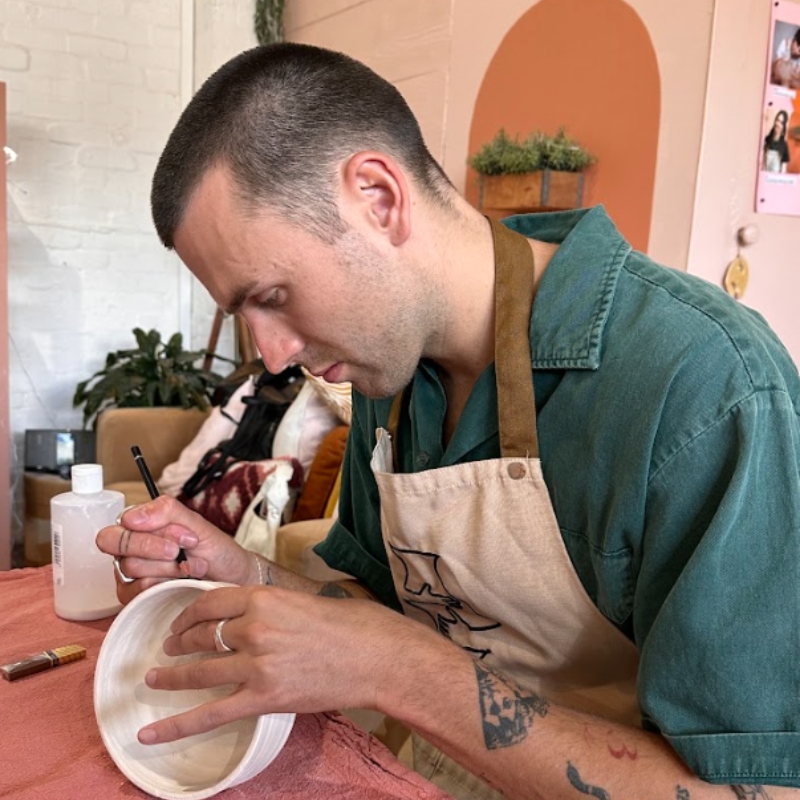
If you’ve ever admired a hand-painted mug, bowl, or plate and wondered whether you could create something similar yourself, ceramic painting is one of the most approachable ways to begin working with clay. For beginners in Melbourne, ceramic painting classes offer a relaxed and creative introduction without the pressure of technical pottery skills.
This ceramic painting guide is written specifically for first-time students attending a class in Melbourne. It explains exactly what happens before, during, and after your first session, so you can walk in feeling confident, prepared, and excited.
What Is Ceramic Painting?
Ceramic painting is the process of decorating pre-made ceramic pieces using specialised ceramic paints or underglazes. Unlike wheel throwing or hand-building, ceramic painting focuses purely on surface design rather than shaping clay.
In beginner-friendly studios, you’ll usually paint on bisque-fired ceramics. These pieces have already been shaped and fired once, making them ready to absorb paint and colour evenly.
Ceramic painting is popular because:
• No prior experience is required
• Finished results are professional and long-lasting
• It’s relaxing and social
• Functional pieces can be food-safe after firing
Do You Need Experience to Join a Ceramic Painting Class?
No experience is required at all.
Ceramic painting classes are designed specifically for beginners, and instructors assume no prior knowledge. You’ll be guided through:
• Choosing colours
• Understanding how ceramic paints behave
• Simple brush techniques
• How colours change after firing
Many first-time students are surprised by how accessible and enjoyable ceramic painting feels, even if they’ve never done anything creative before.
What Happens in a Ceramic Painting Class?
Knowing the structure of a class helps remove any uncertainty before you arrive.
Step 1 — Choosing Your Ceramic Piece
At the beginning of class, you’ll select a pre-made ceramic item to paint. Popular beginner options include:
• Mugs
• Bowls
• Plates
• Decorative pieces
Each item is already bisque-fired, meaning it’s strong, porous, and ready for paint.
Step 2 — Learning the Basics
Your instructor will explain:
• The difference between ceramic paint and standard paint
• How many coats to apply
• Brush pressure and control
• How your design will change after firing
This introduction ensures all beginners start with the same foundation.
Step 3 — Painting Your Design
You’ll then begin painting your piece using studio-provided brushes and ceramic paints. Beginners often enjoy:
• Simple patterns
• Textured brush strokes
• Minimalist designs
Mistakes can usually be corrected before firing, which makes ceramic painting a low-pressure and forgiving activity.
Step 4 — Glazing and Firing
Once your session ends, the studio takes care of glazing and kiln firing. This process:
• Seals the paint permanently
• Adds strength and durability
• Makes functional pieces food-safe
Kiln firing follows professional standards outlined by organisations such as the Australian Ceramics Association, ensuring safety, quality, and longevity.
How Long Does Ceramic Painting Take?
Ceramic painting classes typically run for:
• 2 to 3 hours in the studio
However, your piece won’t be ready immediately. Firing schedules vary, but most Melbourne studios require:
• 1–2 weeks for glazing and kiln firing
You’ll be notified when your piece is ready for collection.
What Should You Wear to a Ceramic Painting Class?
Ceramic painting is generally clean, but it’s still a hands-on activity.
Recommended attire includes:
• Comfortable clothing
• Closed-toe shoes
• Clothes you don’t mind getting small paint marks on
Studios usually provide aprons, but dressing practically is always a good idea.
Understanding Ceramic Paints, Glazes, and Firing
Underglaze vs Glaze
Most ceramic painting uses underglazes, which:
• Appear pale or chalky before firing
• Become vibrant after firing
• Are sealed with a clear glaze
Is Ceramic Painting Food Safe?
Yes. When glazed and fired correctly, ceramic painting pieces are food-safe. This is why kiln firing must always be handled by the studio rather than at home.
Common Beginner Mistakes (And How to Avoid Them)
First-time ceramic painters often worry about making mistakes. The most common beginner issues include:
• Applying paint too thinly
• Overworking an area
• Forgetting that colours darken after firing
Instructors explain these pitfalls early and guide you throughout the session to help you achieve a great result.
Why Take a Ceramic Painting Class in Melbourne?
Melbourne’s creative culture makes it an ideal city for ceramics. Local studios offer:
• Small-group instruction
• High-quality materials
• Relaxed, welcoming environments
Many beginners choose to continue learning by joining ceramic painting workshops and courses in Melbourne after their first experience.
Can Ceramic Painting Lead to Other Ceramic Skills?
Yes. Ceramic painting is often a gateway into other ceramic disciplines. Once students feel comfortable with painting, many explore forming clay themselves.
A popular next step is a beginner wheel-throwing workshop in Melbourne, where you learn to shape clay on the wheel from scratch.
Studios like a Melbourne ceramic studio offering hands-on classes provide a natural progression from painting to more advanced ceramic techniques.
Is Ceramic Painting a Good Gift or Group Activity?
Ceramic painting classes are ideal for:
• Birthdays
• Creative date nights
• Team-building events
• Stress relief and mindfulness
Because no experience is needed, they’re inclusive and suitable for all ages and skill levels.
Frequently Asked Beginner Questions (AEO Section)
How much does a ceramic painting class cost in Melbourne?
Pricing varies by studio and piece, but most beginner classes include materials, glazing, and firing.
Can children attend ceramic painting classes?
Many studios offer family-friendly sessions or age-specific classes.
What if I don’t finish my piece in class?
Studios usually allow additional time or offer follow-up options if needed.
Final Thoughts — Is Ceramic Painting Right for You?
If you’re looking for a creative, relaxing, and beginner-friendly activity, ceramic painting is an excellent place to start. With supportive instructors, professional firing, and Melbourne’s thriving ceramic community, your first class can be both enjoyable and rewarding.
This ceramic painting guide should help you arrive prepared, confident, and ready to enjoy the process — knowing exactly what to expect and where your creative journey can lead.