Beginner Pottery Class: A Step-by-Step Guide to Your First Session
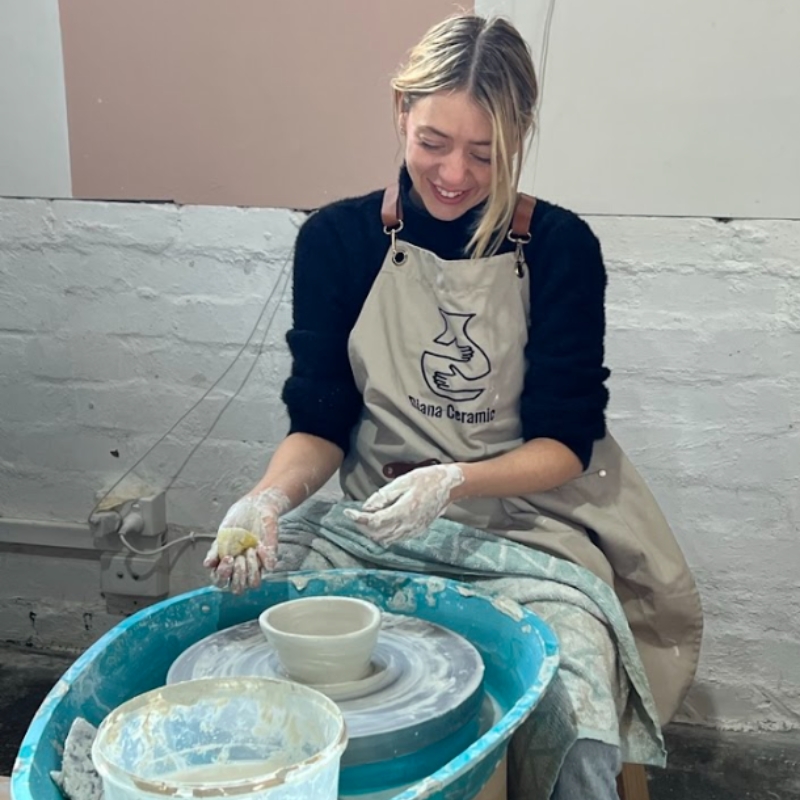
Starting your first pottery class is exciting — and a little intimidating. You might be wondering how prepared you need to be, how messy it gets, or whether you’re expected to make something “good” straight away. The short answer: you don’t need experience, talent, or special gear. You just need a rough idea of how the session flows and what’s normal for beginners.
This guide walks you through a typical first pottery class step by step, with a practical checklist and realistic expectations — especially helpful if you’re attending a studio session in Melbourne.
Before You Arrive: Simple Prep That Makes a Big Difference
Your first class will be hands-on from the start, so a little prep helps you feel comfortable instead of distracted.
What to wear to a pottery class
Pottery is messy, but it’s the good kind of mess.
• Comfortable clothes you don’t mind getting clay on
• Pants or shorts you can sit and move in easily
• A fitted or tie-back top (loose sleeves drag in clay and water)
• Closed-toe shoes with a good grip
• Hair tied back if it’s shoulder-length or longer
• Minimal jewellery — rings and bracelets get in the way fast
Avoid white clothing, long flowing sleeves, or anything delicate.
What to bring
Most studios provide all tools and materials, so you usually only need:
• A small towel or apron
• A water bottle
• Short nails (or at least nails you’re willing to get dirty)
• A relaxed mindset — seriously, this helps more than you think
Arriving at the Studio: What Happens First
When you arrive, the studio will usually walk you through the space before anyone touches clay.
You can expect:
• A quick introduction to the studio layout
• Where tools live and where finished work goes
• Basic safety and clean-up expectations
• An overview of what you’ll attempt in the session
If it’s your first time, instructors expect questions. Asking early is encouraged — it’s much easier to fix small issues at the start than later on.
The Demonstration: Watching Before Doing
Before you sit at the wheel, your instructor will demonstrate the core steps.
This usually includes:
• How to prepare (wedge) clay
• How to centre clay on the wheel
• Opening the clay and pulling up walls
• How and when to add water
• How to stop, cut, and remove your piece
At this stage, don’t worry if it looks impossibly smooth. Watching helps your hands understand what they’ll try to copy — even if it doesn’t feel that way yet.
Your First Time on the Wheel: What’s Normal (and What’s Not)
This is where expectations matter most.
What beginners usually struggle with
Almost everyone experiences:
• Clay wobbling or slipping off-centre
• Walls collapsing when pulled too thin
• Using too much water
• Feeling awkward or tense through the shoulders and wrists
These aren’t mistakes — they’re part of learning control.
What you might actually make
In a first session, common beginner forms include:
• A small bowl
• A short cylinder
• A slightly uneven cup
Many studios expect that your first piece may not be kept — and that’s okay. The goal is learning the process, not perfection.
If you’re attending a structured wheel-throwing workshop for beginners, instructors often help stabilise your piece so you leave with something usable, even if it’s not flawless.
Instructor Feedback: What They’re Watching For
While you’re working, instructors are usually checking:
• Whether your hands are braced and steady
• Wheel speed relative to what you’re doing
• Water control (too much vs too little)
• Body posture and tension
If something keeps going wrong, it’s normal for an instructor to step in physically and guide your hands. This isn’t taking over — it’s how muscle memory starts.
Clean-Up: A Core Part of the Class
Clean-up is not an afterthought in pottery studios — it’s part of the skill.
You’ll usually be shown:
• How to scrape excess clay into reclaim buckets
• How to clean tools using water (not dry brushing)
• How to wipe wheels and splash pans
• Where to leave work-in-progress pieces
Studios focus on wet cleaning to reduce airborne dust. Australian guidance around silica exposure in pottery and ceramics explains why dry sweeping and brushing are avoided in studios, especially in shared creative spaces, as outlined by the Asbestos Safety and Eradication Agency’s pottery and ceramics silica guidance.
After the Class: What Happens to Your Piece
This is one of the most common beginner questions.
Drying and trimming
After your session:
• Your piece dries slowly to a leather-hard stage
• It may be trimmed in a later class or by staff
• Handles or small adjustments are added if needed
Firing and glazing
Most studios follow this process:
• Bisque firing once the piece is fully dry
• Glazing done in a later session or by the studio
• Final glaze firing
This process takes time — usually a few weeks. It’s normal not to take anything home on the same day.
If you’re unsure, your instructor will explain what to expect at a pottery workshop like yours, including timelines for collection.
Beginner Pottery Class Checklist (Quick Reference)
Before your first session:
• Wear comfortable, clay-friendly clothes
• Tie back hair and remove jewellery
• Bring a towel and water bottle
• Arrive a few minutes early
During class:
• Expect mistakes — they’re part of learning
• Ask for help early
• Focus on feel, not perfection
• Clean as you go
After class:
• Don’t rush the process — drying and firing take time
• Expect follow-up sessions for trimming or glazing
• Celebrate progress, not symmetry
When to Ask for Help (Right Away)
Ask your instructor if:
• The clay won’t centre after multiple tries
• Your hands feel strained or painful
• The piece collapses repeatedly
• You’re unsure whether a piece is salvageable
Early guidance saves frustration — and clay.
Is a First Pottery Class Worth It If You’re Nervous?
Absolutely. Feeling unsure is normal, especially with a skill that’s physical and unfamiliar.
A beginner class isn’t about talent. It’s about learning how clay behaves, how your hands respond, and whether you enjoy the process. Many people discover they love pottery long before they feel “good” at it.
If you’re curious and want to learn more about wheel throwing, a structured beginner session is the safest, least intimidating way to start.
Final Thoughts
Your first pottery class won’t be perfect — and it shouldn’t be. What matters is understanding the process, building confidence, and enjoying the experience of working with clay.
Once you know what to expect, the nerves fade quickly, and the fun takes over.